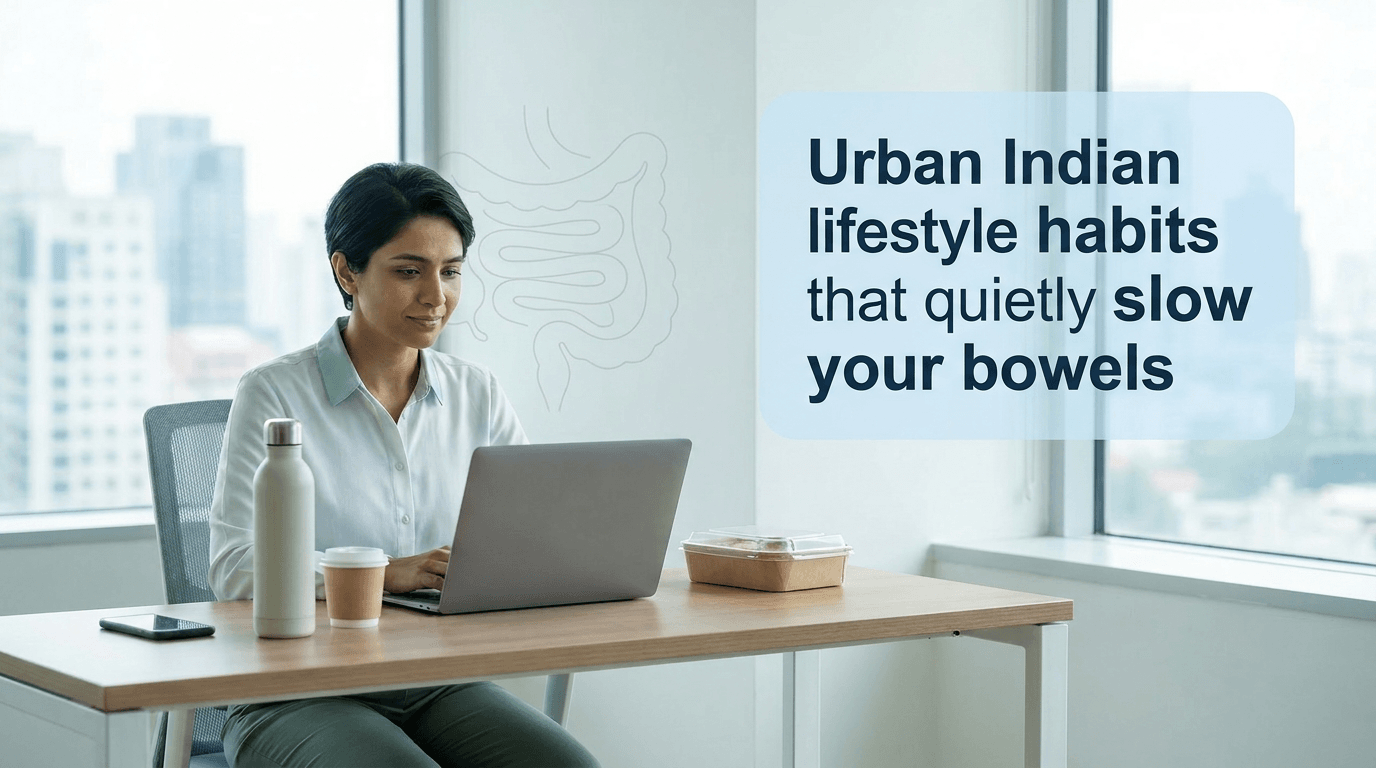
Urban Indian lifestyle habits that quietly slow your bowels
If you live in a city, you may notice your bowel routine changing slowly over time. Many people in Ahmedabad feel bloated, heavy, or unable to pass stool comfortably, even when they are eating “normal” food.
Constipation is often not caused by one single problem. It is usually a combination of daily habits like long sitting hours, low water intake, irregular meals, stress, and low fibre choices. The good news is that when we identify these patterns early, most people can improve bowel movement with simple, consistent changes.
If you are looking for patient focused digestive care, you can explore Dr Varun Bajaj gastro surgeon in Ahmedabad and learn more About Dr Varun Bajaj.
What constipation really means
Constipation usually means one or more of the following:
- Passing stool less often than your usual pattern
- Hard, dry stools
- Straining or pain during bowel movement
- A feeling that stool is not fully cleared
- Bloating and heaviness, especially later in the day
If constipation is frequent, it is worth addressing early because repeated straining can also worsen piles and fissure symptoms.
Urban Indian lifestyle habits that quietly slow your bowels
Long sitting hours and low daily movement
When you sit for long periods, your gut motility can slow down. Movement helps stimulate bowel activity. In many urban jobs, people sit for 8 to 10 hours and then commute, which means the gut gets very little natural stimulation.
What helps:
- A short walk after meals
- Taking small movement breaks during the workday
- Light stretching in the morning or evening
Low water intake, especially with tea or coffee
Hydration matters because the colon absorbs water from stool. If your body is dehydrated, stool becomes harder and more difficult to pass. This is common in people who have multiple cups of tea or coffee but forget plain water.
For a simple clinical explanation, read: How dehydration affects digestion.
What helps:
- Keeping a water bottle at your desk
- Drinking water consistently through the day
- Increasing fluids in hot weather and during travel
Fibre poor meals and refined packaged food
Many city meals are built around refined carbs and quick foods like bread, biscuits, noodles, bakery items, and fried snacks. These are filling but often low in fibre. Fibre adds bulk and softness to stool, making it easier to pass.
What helps:
- Adding one fruit daily (papaya, guava, pear, apple)
- Adding vegetables in lunch and dinner
- Choosing whole grains when possible
You can follow a clear food plan here: Constipation diet plan.
Skipping breakfast and rushing mornings
For many people, the bowel is most active in the morning. Skipping breakfast or eating too late can reduce the natural urge to pass stool.
What helps:
- A light, regular breakfast
- A consistent morning routine
- Not rushing the toilet time
Ignoring the urge to pass stool
If you repeatedly delay the urge because of meetings, travel, or limited toilet access, the body learns to suppress that signal. Over time, constipation can become more persistent.
What helps:
- Responding to the urge when it comes
- Planning your morning routine to include unhurried toilet time
High stress and irregular sleep
Stress affects the gut brain connection. Poor sleep and constant stress can alter bowel rhythm and worsen bloating, acidity, and constipation.
If stress feels like a major trigger for you, read: Stress and digestive system.
What helps:
- A fixed sleep schedule as much as possible
- Gentle daily movement
- Simple breathing or relaxation routines
Phone use on the toilet and prolonged straining
Sitting longer than needed and straining can increase pressure in the anal region. This can worsen discomfort and contribute to piles symptoms in people who are already constipated.
What helps:
- Keep toilet time short and focused
- Avoid straining
- Seek medical advice if there is pain or bleeding
infographic with subtitle
Simple daily routine to improve bowel movement
These are safe, patient friendly habits that usually help:
- Drink water regularly through the day
- Add fibre gradually (do not increase suddenly)
- Walk daily, especially after meals
- Keep a consistent morning routine
- Do not ignore the urge to pass stool
- Avoid frequent straining
If you need quick supportive tips, read: Immediate constipation relief.
When to consult a specialist
Please do not ignore constipation if it is persistent or if you notice:
- Blood in stool
- Significant pain during bowel movement
- Unexplained weight loss
- Vomiting, fever, or severe abdominal swelling
- A sudden new change in bowel habit that does not settle
If constipation is recurrent, or you have ongoing bowel habit changes, it may need a proper evaluation. You can explore care options here: Small and large intestine surgeon in Ahmedabad.
Book an appointment
If you are dealing with constipation, bloating, or recurring bowel discomfort, you do not have to manage it alone. A proper clinical evaluation can identify the cause and guide safe treatment.
To consult Dr Varun Bajaj, please use: Contact Dr Varun Bajaj.
FAQ section
Can stress cause constipation in city life?
Yes. Stress can affect gut motility and routine, and it often leads to irregular meals, less water intake, and poor sleep, which together worsen constipation.
Is constipation only a food problem?
Not always. Food is important, but water intake, movement, toilet timing, sleep, and stress also play a major role.
When is constipation considered serious?
Constipation should be evaluated sooner if there is blood in stool, severe pain, vomiting, fever, unexplained weight loss, or a sudden change in bowel habits.
Would you like me to also write a short “Key takeaways” box (4 to 5 bullets) that sits right under the infographic and improves on page engagement?