Reviewed by Dr Varun Bajaj, Gastroenterologist & GI Surgeon, Ahmedabad
Noticing a yellow tint in your eyes or skin can be unsettling, especially the first time it happens. Jaundice in adults isn’t something to Google-and-ignore, but it also isn’t automatically a medical emergency. It’s a visible sign that bilirubin, a yellow pigment your liver normally processes, has built up in your blood, and the reason behind that buildup can range from a mild, temporary issue to something that needs prompt attention.
This guide walks through what adult jaundice actually means, the range of conditions that can cause it, the symptoms and warning signs worth knowing, and how it’s typically diagnosed and treated. If you or a family member has noticed yellowing and wants to understand what might be going on before your appointment, this should give you a clear starting point. For hands-on evaluation, Dr. Varun Bajaj, a gastro surgeon in Ahmedabad specializing in liver and digestive health, sees patients with jaundice-related concerns at his Ahmedabad clinic.
What Is Adult Jaundice?
Jaundice is the yellow discoloration of the skin and the whites of the eyes (sclera) caused by an excess of bilirubin in the bloodstream. Bilirubin is a natural byproduct created when your body breaks down old red blood cells. Under normal conditions, the liver filters bilirubin out of the blood and releases it into bile, which then leaves the body through stool.
When something disrupts this process, whether it’s the liver itself, the bile ducts that carry bilirubin out, or an increase in red blood cell breakdown, bilirubin accumulates and starts depositing in tissue, giving the skin and eyes their characteristic yellow tone.
It’s worth repeating: jaundice itself is not a disease. It’s a visible sign, similar to a fever, that points to an underlying issue that needs to be identified. That’s why “jaundice treatment” isn’t really one thing; it depends entirely on what’s causing it.
What Causes Jaundice in Adults?
Doctors generally group the causes of adult jaundice into three broad categories, based on where the problem in bilirubin processing occurs.
| Category | Where the Problem Starts | Common Causes | Typical Approach |
|---|---|---|---|
| Pre-Hepatic | Before the liver, too many red blood cells breaking down | Inherited blood disorders, autoimmune red cell destruction, some infections | Treat the underlying blood condition, often with a hematologist |
| Hepatic | Within the liver itself | Viral hepatitis, alcohol-related or fatty liver disease, cirrhosis, liver-toxic medications, autoimmune liver disease | Lifestyle changes, medication, monitoring; advanced cases may need transplant evaluation |
| Post-Hepatic (Obstructive) | After the liver bile flow is physically blocked | Gallstones, bile duct strictures, tumors, pancreatitis | Usually a procedure or surgery to clear or bypass the blockage |
1. Pre-Hepatic Causes (Before the Liver)
This happens when red blood cells break down faster than usual, producing more bilirubin than the liver can keep up with, even if the liver itself is healthy. Common contributors include certain inherited blood disorders, autoimmune conditions that destroy red blood cells, and some infections.
2. Hepatic Causes (Within the Liver)
This is often what people think of first, and it covers a wide range of conditions where the liver itself is inflamed, damaged, or unable to process bilirubin properly:
- Viral hepatitis (hepatitis A, B, C, and E)
- Alcohol-related liver disease
- Non-alcoholic fatty liver disease
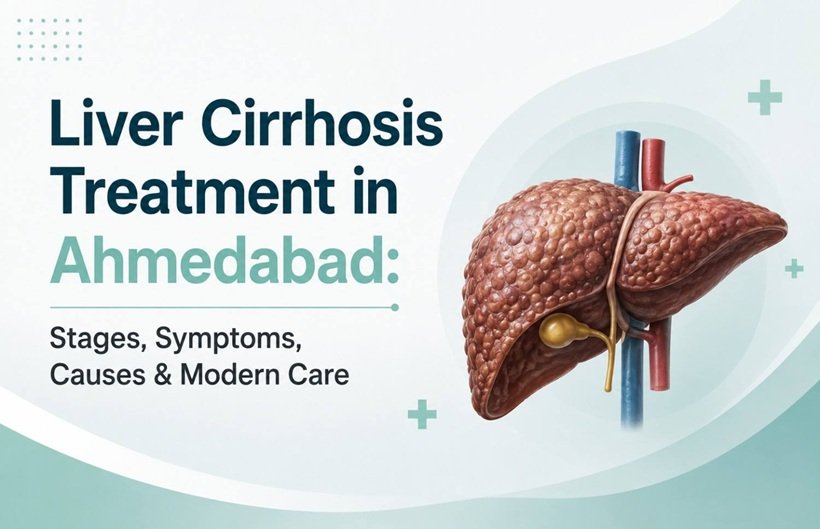
- Cirrhosis from long-standing liver damage
- Certain medications or supplements that are toxic to the liver
- Autoimmune liver conditions
For a closer look at how liver conditions are evaluated and managed, our liver disorders page covers this in more detail.
3. Post-Hepatic / Obstructive Causes (After the Liver)
Here, the liver is producing bile normally, but something is physically blocking its path out of the body, usually somewhere in the bile ducts. This is often referred to as obstructive jaundice. Common causes include:
- Gallstones blocking the bile duct
- Bile duct strictures or narrowing
- Tumors of the bile duct, pancreas, or gallbladder pressing on the duct
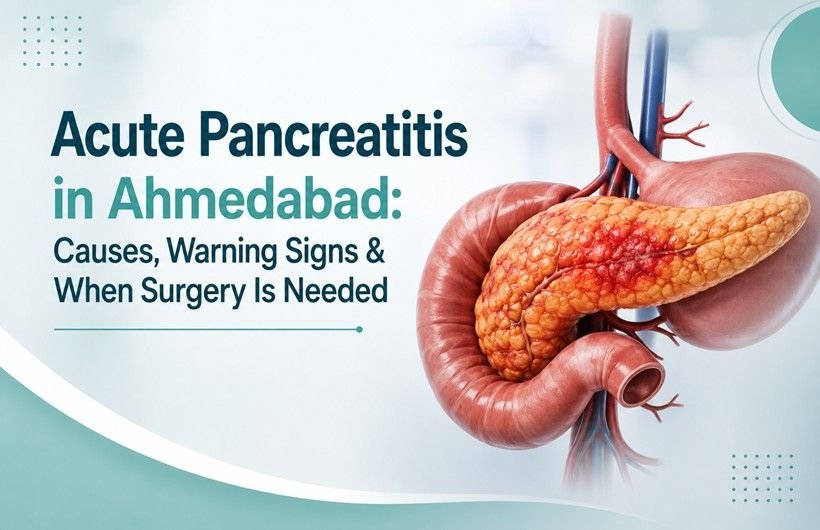
- Inflammation of the pancreas (pancreatitis)
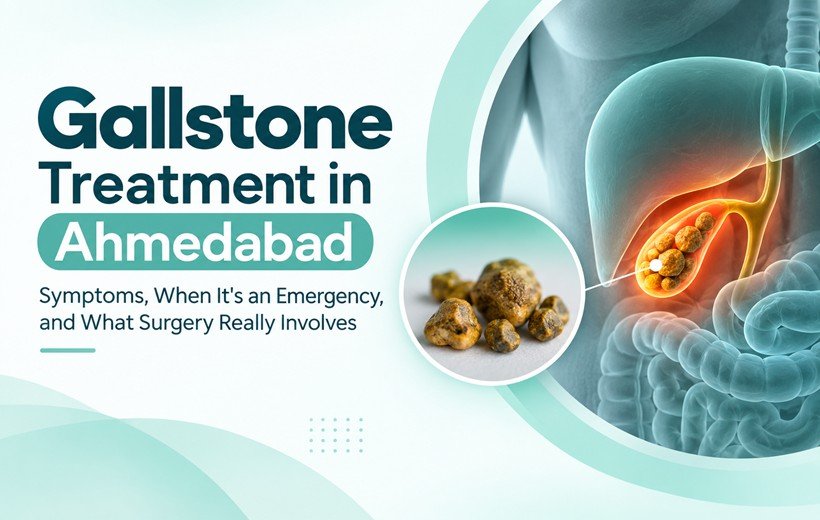
Because this category often needs a procedural or surgical solution rather than medication alone, it’s usually managed jointly between gastroenterology and GI surgery. You can read more about how gallbladder-related and bile duct conditions are treated on our gallbladder and biliary diseases pages.
Other less common contributors include certain infections outside the liver, sepsis, and rare inherited conditions that affect how the liver processes bilirubin.
Symptoms of Adult Jaundice
The most recognizable symptom is yellowing of the skin and eyes, but jaundice rarely shows up alone. Depending on the underlying cause, you may also notice:
- Dark-colored urine, often described as tea- or cola-colored
- Pale or clay-colored stools
- Itching (sometimes intense, especially with obstructive causes)
- Fatigue or low energy
- Nausea or reduced appetite
- Mild abdominal discomfort, particularly in the upper right side
Warning Signs of Jaundice That Need Prompt Medical Evaluation
Most people with jaundice don’t need to panic, but certain accompanying symptoms suggest the underlying cause needs to be evaluated without delay. These include:
- Severe or worsening abdominal pain
- Confusion, drowsiness, or difficulty staying alert
- Persistent vomiting
- High fever, especially with chills
- Unusual bleeding or bruising
- Rapid worsening of the yellow discoloration over a day or two
- Significant swelling in the abdomen or legs
If any of these appear alongside jaundice, it’s best to see a doctor promptly rather than waiting to see if it improves on its own.
How Is Jaundice Diagnosed?
Diagnosis usually starts with a conversation and a physical exam, followed by targeted testing based on what the doctor suspects. This may include:
- A detailed medical history recent illnesses, alcohol use, medications, travel, and family history
- Physical examination, checking for liver or spleen enlargement, abdominal tenderness, and the extent of yellowing
- Bilirubin blood tests, which help determine whether the pattern points toward a pre-hepatic, hepatic, or obstructive cause
- Liver function tests, assessing liver enzymes and overall liver health
- Imaging, such as an ultrasound, CT, or MRCP, when a blockage or structural issue is suspected
- Additional tests, like viral hepatitis panels or autoimmune markers, depending on the suspected cause
Not every patient needs every test; the workup is tailored based on symptoms, history, and initial results.
Treatment Options for Adult Jaundice
There’s no single “jaundice treatment,” because jaundice is a symptom, not the condition itself. Treatment is directed at whatever is causing the bilirubin buildup:
- Infections, such as hepatitis, are managed based on the specific virus involved, sometimes with antiviral medication and supportive care.
- Liver disease from alcohol use, fatty liver, or chronic conditions is managed through lifestyle changes, medication, and close monitoring; advanced cases may eventually require evaluation for liver transplantation.
- Bile duct obstruction, such as from gallstones or strictures, often requires a procedure to clear or bypass the blockage; this is where GI surgical expertise becomes important.
- Gallbladder-related causes may be managed surgically, depending on severity and recurrence.
- Blood-related (hemolytic) causes are treated based on the underlying reason for red blood cell breakdown, sometimes involving a hematologist.
- Medication-induced jaundice is managed by reviewing and adjusting the medications involved under medical supervision.
When Should You See a Gastroenterologist?
Any new jaundice in an adult is worth having evaluated, even if you feel otherwise fine. It’s especially important to seek care if the yellowing is accompanied by pain, fever, confusion, persistent vomiting, or if it’s worsening quickly.
As a gastroenterologist in Ahmedabad with focused expertise in liver and gastrointestinal conditions, Dr Varun Bajaj evaluates adults presenting with jaundice, unexplained abnormal liver tests, and related digestive concerns, from straightforward cases to more complex ones involving bile duct obstruction or advanced liver disease requiring liver transplant-related specialist care.
A Quick Note Before You Go
If you or someone in your family has noticed yellowing of the eyes or skin, it’s worth getting checked rather than waiting it out, not because it’s always serious, but because knowing the cause is the only way to actually address it. Dr Varun Bajaj’s clinic in Ahmedabad evaluates adult jaundice cases ranging from straightforward to complex. You can book a consultation with Dr. Bajaj.
Frequently Asked Questions
What is the most common cause of jaundice in adults?
Gallstones, viral hepatitis, and alcohol-related or fatty liver disease are the most common causes. The exact cause depends on your symptoms and test results.
How long will jaundice last in adults?
It varies — some cases clear in a couple of weeks, while chronic liver-related jaundice can take longer or need ongoing management.
Is jaundice a liver or kidney issue?
Jaundice is a liver and bile duct issue, not a kidney one. It occurs when bilirubin, normally processed by the liver, builds up in the blood.
What are the danger signs of jaundice?
Severe abdominal pain, confusion, persistent vomiting, high fever, unusual bleeding, and rapidly worsening yellowing all need prompt medical attention.
What foods help cure jaundice?
No food cures jaundice. Light, easily digestible meals and good hydration support recovery, but treatment depends on the underlying cause.
How to clear jaundice naturally?
There’s no proven natural remedy. Rest, hydration, and avoiding alcohol support recovery, but only treating the underlying cause resolves jaundice.
This article is for general educational purposes and isn’t a substitute for personal medical evaluation. Please consult a qualified doctor for diagnosis and treatment specific to your situation.