
Digestive problems are common, but persistent symptoms should never be ignored. Many gastrointestinal diseases begin with mild discomfort that gradually worsens over time. Early diagnosis can help prevent serious complications and improve overall digestive health.
Early signs of gastrointestinal disease include stomach pain, bloating, acidity, constipation, diarrhoea, nausea, loss of appetite, blood in stool, unexplained weight loss, and frequent digestive discomfort. Persistent symptoms may indicate digestive disorders such as GERD, Irritable Bowel Syndrome(IBS), gastritis, ulcers, inflammatory bowel disease, or colorectal conditions.
The digestive system helps break down food, absorb nutrients, and remove waste from the body. When any part of this system stops functioning properly, it can lead to gastrointestinal disorders that affect daily life and overall health.
According to a gastrointestinal surgeon in Ahmedabad, Dr Varun Bajaj, many digestive diseases start with mild symptoms that patients often ignore or manage with home remedies. However, symptoms that continue for several weeks or keep returning may require medical evaluation.
Common Early Signs of Gastrointestinal Disease
1. Persistent Stomach Pain
Frequent abdominal pain, cramps, or discomfort may be one of the earliest warning signs of digestive disease. The pain may occur after meals or remain constant throughout the day.
Possible causes include:
- Gastritis
- Peptic ulcers
- Irritable bowel syndrome (IBS)
- Gallstones
- Inflammatory bowel disease (IBD)
If abdominal pain becomes severe or persistent, medical attention is important.
2. Frequent Acidity or Heartburn
Occasional acidity after spicy food is common, but frequent acid reflux is not normal.
Symptoms may include:
- Burning sensation in the chest
- Sour taste in the mouth
- Throat irritation
- Difficulty swallowing
Persistent acidity may indicate gastroesophageal reflux disease (GERD), a common gastrointestinal disorder that can damage the food pipe over time.
3. Bloating and Excess Gas
Feeling unusually full or bloated after meals may signal digestive imbalance or gastrointestinal disease.
Common causes include:
- IBS
- Food intolerance
- Poor digestion
- Intestinal infections
- Constipation
Chronic bloating should not be ignored, especially if accompanied by pain or bowel changes.
4. Changes in Bowel Habits
Sudden constipation, diarrhoea, or alternating bowel movements may indicate an underlying digestive disorder.
Warning signs include:
- Constipation lasting several days
- Chronic diarrhoea
- Narrow stools
- Urgent bowel movements
- Incomplete bowel emptying
Persistent bowel changes may be associated with IBS, IBD, infections, or colorectal disease.
5. Nausea and Vomiting
Repeated nausea or vomiting may indicate problems within the digestive tract.
Possible causes include:
- Gastritis
- Food poisoning
- Gallbladder disease
- Peptic ulcers
- Liver disorders
Frequent vomiting can also lead to dehydration and weakness.
6. Loss of Appetite
A sudden decrease in appetite or feeling full quickly can sometimes indicate gastrointestinal disease.
This may occur due to:
- Gastritis
- Liver disease
- Stomach ulcers
- Digestive inflammation
Loss of appetite lasting more than a few days should be medically evaluated.
7. Unexplained Weight Loss
Unexpected weight loss without diet or exercise changes can be a serious warning sign.
Digestive diseases may affect:
- Nutrient absorption
- Appetite
- Metabolism
Conditions such as inflammatory bowel disease, chronic infections, liver disease, and colorectal disorders may lead to unintended weight loss.
8. Blood in Stool
Blood in stool should never be ignored.
It may appear as:
- Bright red blood
- Dark black stools
- Blood mixed with stool
Possible causes include:
- Piles
- Ulcers
- Intestinal inflammation
- Colon disease
- Colorectal cancer
This symptom requires immediate medical attention.
9. Fatigue and Weakness
Digestive diseases can interfere with nutrient absorption, causing:
- Weakness
- Tiredness
- Low energy
- Anaemia
Persistent fatigue along with digestive symptoms may indicate chronic gastrointestinal disease.
10. Difficulty Swallowing
Pain or trouble while swallowing can occur due to:
- GERD
- Esophageal inflammation
- Digestive obstruction
- Esophageal disorders
Difficulty swallowing should always be evaluated by a gastroenterologist.
Symptoms and Possible Gastrointestinal Diseases
| Symptom | Possible Gastrointestinal Disease |
|---|---|
| Heartburn | GERD |
| Bloating | IBS |
| Blood in stool | Colorectal disease |
| Weight loss | IBD |
| Abdominal pain | Gastritis |
| Nausea | Peptic ulcer |
| Constipation | Digestive disorders |
| Diarrhoea | Intestinal infection |
| Fatigue | Malabsorption disorders |
| Difficulty swallowing | Esophageal disease |
When Should You See a Doctor for Digestive Symptoms?
You should consult Dr Varun Bajaj if digestive symptoms are severe, persistent, recurring, or associated with blood in stool, unexplained weight loss, vomiting, difficulty swallowing, or severe abdominal pain.
Many people ignore digestive discomfort for months, assuming it is temporary. However, untreated gastrointestinal disease can worsen and lead to serious complications.
Signs You Should Not Ignore
Symptoms Lasting More Than Two Weeks
Persistent acidity, bloating, constipation, or diarrhoea may indicate an underlying digestive disorder.
Severe Abdominal Pain
Sudden or intense abdominal pain may be linked with appendicitis, gallstones, pancreatitis, or intestinal blockage.
Chronic Constipation or Diarrhoea
Long-term bowel changes can indicate IBS, IBD, infections, or colorectal disease.
Frequent Vomiting
Repeated vomiting may lead to dehydration and nutritional deficiencies.
Family History of Gastrointestinal Disease
People with a family history of colon cancer, inflammatory bowel disease, or liver disease should monitor digestive symptoms carefully.
Common Gastrointestinal Diseases That Show Early Symptoms
Gastroesophageal Reflux Disease (GERD)
GERD occurs when stomach acid repeatedly flows back into the food pipe.
Symptoms include:
- Heartburn
- Sour taste
- Chest discomfort
- Difficulty swallowing
Gastritis
Gastritis is inflammation of the stomach lining.
Common symptoms:
- Burning stomach pain
- Nausea
- Vomiting
- Loss of appetite
Irritable Bowel Syndrome (IBS)
IBS affects bowel function and is one of the most common digestive disorders.
Symptoms include:
- Bloating
- Abdominal cramps
- Constipation
- Diarrhoea
Peptic Ulcers
Peptic ulcers are sores that develop in the stomach or upper intestine.
Warning signs:
- Burning stomach pain
- Acidity
- Nausea
- Black stools
Inflammatory Bowel Disease (IBD)
IBD includes Crohn’s disease and ulcerative colitis.
Symptoms may include:
- Chronic diarrhoea
- Blood in stool
- Weight loss
- Fatigue
Gallbladder Disease
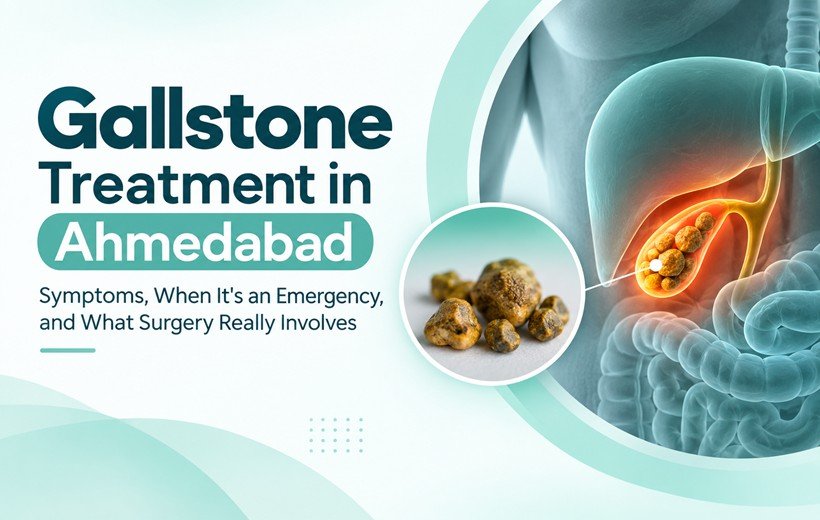
Gallstones can block bile flow and cause digestive symptoms.
Common signs:
- Pain after fatty meals
- Nausea
- Vomiting
- Upper abdominal pain
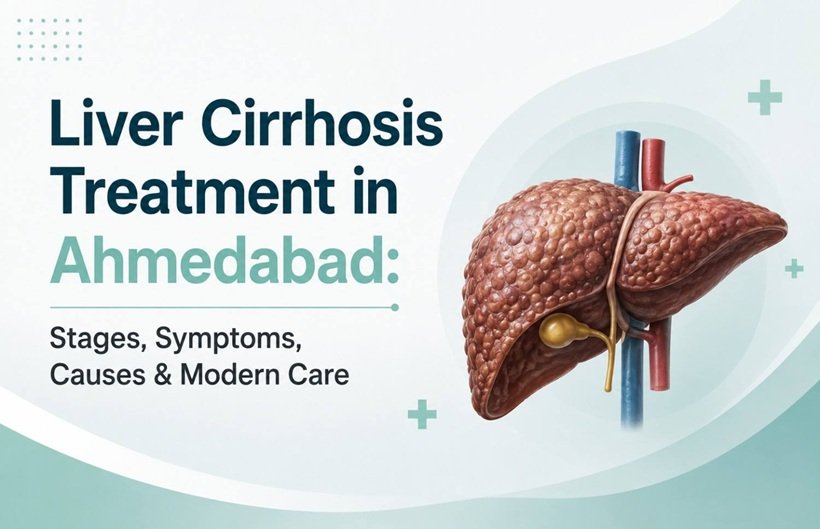
Liver Disease
Early liver disease symptoms are often mild.
They may include:
- Weakness
- Appetite loss
- Yellowing of the skin
- Abdominal swelling
Colorectal Disorders
Colon diseases often begin with subtle bowel changes.
Symptoms include:
- Blood in stool
- Constipation
- Weight loss
- Abdominal discomfort
How Are Gastrointestinal Diseases Diagnosed?
Doctors diagnose gastrointestinal diseases using medical history, physical examination, blood tests, stool tests, imaging scans, endoscopy, and colonoscopy depending on the patient’s symptoms.
Common diagnostic tests include:
- Blood tests
- Stool examination
- Ultrasound abdomen
- CT scan
- Endoscopy
- Colonoscopy
- Liver function tests
Early diagnosis helps doctors begin treatment before complications develop.
How to Keep Your Digestive System Healthy
Maintaining digestive health can reduce the risk of gastrointestinal diseases.
Eat Fibre-Rich Foods
Include:
- Fruits
- Vegetables
- Whole grains
- Salads
Fibre supports healthy bowel movement and digestion.
Stay Hydrated
Drinking enough water helps:
- Prevent constipation
- Improve digestion
- Support nutrient absorption
Avoid Excess Junk Food
Spicy, oily, and processed foods may worsen:
- Acidity
- Bloating
- Indigestion
Exercise Regularly
Physical activity supports:
- Healthy digestion
- Better metabolism
- Regular bowel movement
Manage Stress
Stress can trigger:
- Acidity
- IBS symptoms
- Digestive discomfort
Yoga, meditation, and proper sleep may help improve gut health.
Avoid Self-Medication
Frequent use of painkillers or acidity medicines without medical advice may damage the digestive system.
Conclusion
The early signs of gastrointestinal disease are often mild and easy to overlook, but persistent digestive symptoms should never be ignored. Stomach pain, bloating, acidity, bowel changes, nausea, blood in stool, and unexplained weight loss may indicate underlying digestive disorders requiring medical attention.
Early diagnosis and treatment can prevent complications and improve long-term digestive health. If you experience recurring digestive symptoms, consulting an experienced gastroenterologist such as Dr Varun Bajaj can help identify the cause and provide the right treatment plan.
FAQs
Can gastrointestinal disease start with mild symptoms?
Yes, many gastrointestinal diseases begin with mild symptoms such as bloating, acidity, or stomach discomfort before becoming more severe.
Is daily acidity normal?
No, frequent acidity or heartburn may indicate GERD or another digestive disorder and should be evaluated by a doctor.
When should I see a doctor for digestive problems?
You should consult a doctor if digestive symptoms last more than two weeks, worsen over time, or include blood in stool, vomiting, severe pain, or unexplained weight loss.
Can stress cause digestive problems?
Yes, stress can affect digestion and worsen symptoms such as acidity, IBS, bloating, and stomach discomfort.
Are gastrointestinal diseases treatable?
Most gastrointestinal diseases can be managed effectively with early diagnosis, lifestyle changes, medications, and proper medical treatment.