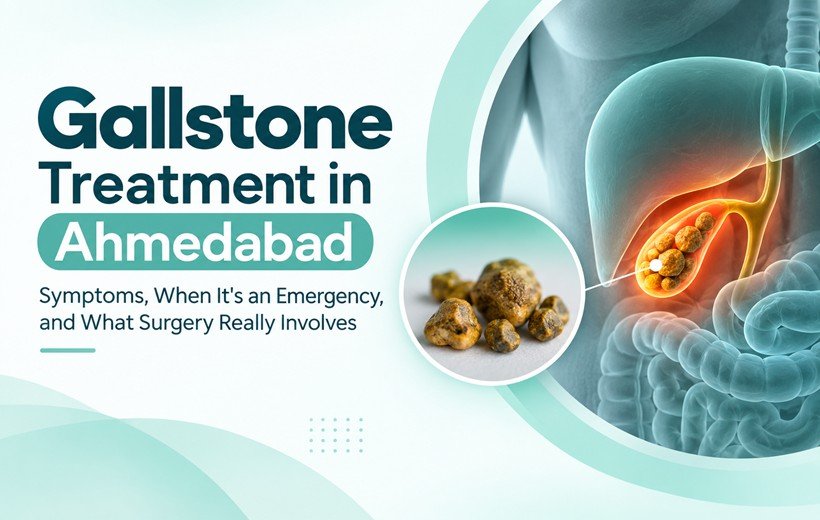
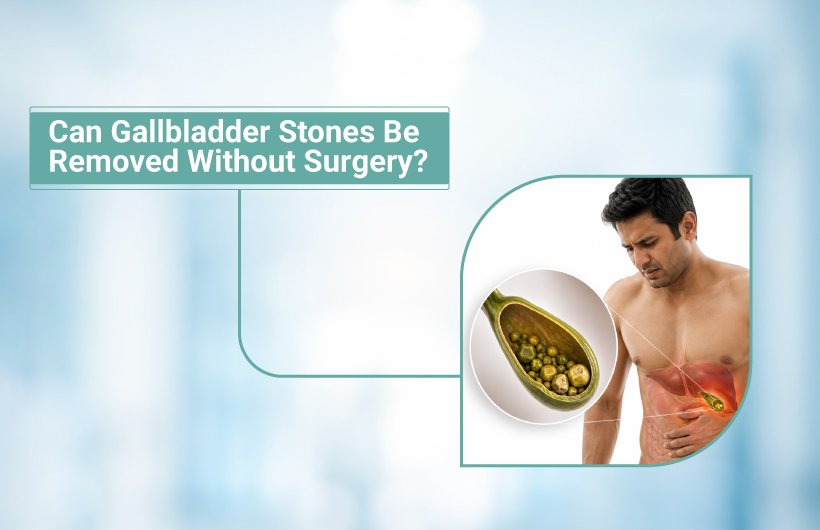
Gallbladder stones are a common digestive problem that can cause severe abdominal pain, nausea, bloating, and discomfort after meals. Many patients search for gallbladder stones treatment without operation because they want to avoid surgery and look for natural or non-surgical alternatives.
In some cases, small and symptom-free gallstones can be managed with medicines, dietary changes, and regular monitoring. However, gallbladder stone removal without surgery is usually limited and may not provide a permanent solution. For patients with pain, infection, or repeated symptoms, surgery remains the most effective and reliable treatment.
According to Gastrointestinal Specialist in Ahmedabad, Dr. Varun Bajaj, understanding the size of the stones, symptoms, and overall health condition is important before deciding whether non-surgical treatment is suitable.
What Are Gallbladder Stones?
Gallbladder stones, also called gallstones, are hardened deposits that form inside the gallbladder due to an imbalance in bile components like cholesterol and bilirubin.
These stones can range from tiny particles to larger stones and may remain silent for years in some people.
Common Causes of Gallstones
- High cholesterol levels in bile
- Obesity
- Rapid weight loss
- Pregnancy
- Sedentary lifestyle
- High-fat diet
- Family history
- Diabetes
Gallstones may not always cause symptoms. Silent gallstones are often detected accidentally during scans performed for other reasons.
Can Gallbladder Stones Be Removed Without Surgery?
Gallbladder stone removal without surgery is possible only in selected cases. Non-surgical methods may help manage symptoms or dissolve certain small cholesterol stones, but they usually do not guarantee complete or permanent removal.
Most patients with painful or recurrent gallstones eventually require surgery for long-term relief.
Non-Surgical Treatment Options for Gallbladder Stones
Several non-surgical approaches may be considered depending on the patient’s condition.
-
Medicines for Gallbladder Stones
Doctors may prescribe bile acid medicines such as ursodeoxycholic acid to dissolve cholesterol gallstones.
Important Points
- Works mainly for small cholesterol stones
- Takes several months or years
- Results are often slow
- Stones may return after stopping medication
- Not effective for all stone types
Medicines are usually recommended only for carefully selected patients who are not suitable for surgery.
-
Diet and Lifestyle Changes
Diet plays an important role in managing gallstone symptoms and preventing worsening.
Recommended Dietary Changes for Gallbladder Stones
- Eat a low-fat diet
- Increase fibre intake
- Avoid fried and oily foods
- Include fruits and vegetables
- Stay hydrated
- Maintain a healthy body weight
While diet can help reduce symptoms and prevent stone growth, it usually cannot remove existing gallstones completely.
According to Dr. Varun Bajaj, lifestyle modifications are highly important for long-term gallbladder health and symptom control.
-
Watchful Waiting
If gallstones are small and not causing symptoms, doctors may recommend regular monitoring instead of immediate surgery.
This approach is commonly called “watchful waiting.”
Suitable for:
- Silent gallstones
- Small cholesterol stones
- Patients without pain or complications
However, regular follow-up is important because symptoms may develop later.
-
Shock Wave Therapy (Rarely Used)
In rare cases, sound wave therapy may be used to break gallstones into smaller pieces.
Limitations
- Not widely available
- Suitable only for selected patients
- Stones may recur
- Often combined with medicines
This treatment is less commonly used today because surgery provides better long-term results.
Can Gallstones Dissolve Naturally?
Gallstones usually do not disappear naturally on their own.
Some small cholesterol stones may shrink slowly with medicines and dietary management, but complete natural dissolution is uncommon.
Many people try home remedies or herbal treatments, but there is limited scientific evidence proving that these methods can permanently remove gallstones.
Ignoring symptoms while depending only on home remedies may increase the risk of complications.
When Is Gallbladder Surgery Necessary?
Surgery becomes necessary when gallstones start causing symptoms or complications.
Common Symptoms That May Need Surgery
- Severe pain in the upper right abdomen
- Pain after eating fatty meals
- Nausea or vomiting
- Fever or chills
- Jaundice (yellowing of skin or eyes)
- Repeated gallbladder attacks
The most common surgery performed is laparoscopic cholecystectomy, which involves removal of the gallbladder using minimally invasive techniques.
Why Is Surgery Often Preferred?
Surgery is considered the most effective and permanent treatment for symptomatic gallstones.
Benefits of Laparoscopic Gallbladder Surgery
- Permanent solution
- Prevents recurrence
- Minimally invasive
- Faster recovery
- Short hospital stay
- Lower risk of complications
Removing the gallbladder usually does not significantly affect digestion because bile continues flowing directly from the liver to the intestine.
According to Dr. Varun Bajaj, delaying surgery in symptomatic patients can increase the risk of infection, pancreatitis, and bile duct blockage.
Risks of Avoiding Gallbladder Surgery
Avoiding surgery when symptoms are present can sometimes become dangerous.
Possible Complications
- Gallbladder inflammation (cholecystitis)
- Severe infection
- Blockage of bile ducts
- Pancreatitis
- Repeated severe pain attacks
- Emergency surgery requirement
These complications may become life-threatening if ignored.
Gallbladder Surgery vs Non-Surgical Treatment
| Treatment Option | Effectiveness | Permanent Solution |
| Medicines | Limited | No |
| Diet Changes | Symptom control only | No |
| Shock Wave Therapy | Temporary relief | No |
| Surgery | Highly effective | Yes |
For most symptomatic patients, surgery remains the safest and most reliable long-term treatment.
Who Can Consider Non-Surgical Treatment?
Non-surgical treatment may be suitable for:
- Patients with silent gallstones
- Small cholesterol stones
- Elderly patients unfit for surgery
- Patients with high surgical risk
- Individuals under close medical monitoring
However, if symptoms become frequent or severe, surgery is usually recommended.
Foods to Avoid in Gallstones
Certain foods may worsen gallbladder symptoms.
Foods to Limit or Avoid
- Fried foods
- Oily meals
- Processed foods
- High-fat dairy products
- Fast food
- Sugary snacks
- Excess red meat
Better Food Choices
- Fruits
- Vegetables
- Whole grains
- Lean proteins
- Fibre-rich foods
Healthy eating habits may help reduce gallbladder attacks and improve digestion.
When Should You See a Doctor?
Consult a doctor immediately if you experience:
- Repeated abdominal pain
- Pain after meals
- Nausea or vomiting
- Fever or chills
- Yellowing of eyes or skin
- Severe bloating
Early medical evaluation helps prevent complications and allows timely treatment.
Conclusion
Gallbladder stones treatment without operation is possible only in selected cases and may not always provide permanent relief. While medicines, dietary changes, and monitoring can help manage symptoms in some patients, they usually cannot completely remove gallstones or prevent recurrence.
For patients experiencing pain, infection, or repeated gallbladder attacks, surgery remains the most effective and long-term solution.
According to Dr Varun Bajaj, timely diagnosis and proper treatment planning are essential to avoid complications and ensure better recovery outcomes. If you are experiencing symptoms related to gallstones, consulting a specialist early can help you choose the safest and most suitable treatment option.
If you are suffering from gallbladder stone symptoms such as abdominal pain, bloating, nausea, or digestive discomfort, consult Dr. Varun Bajaj for expert evaluation and personalized treatment guidance. Early diagnosis and the right treatment approach can help prevent complications and ensure faster recovery.