Gallbladder removal, also known as cholecystectomy, is a common surgery performed when gallstones or other gallbladder problems cause pain or digestive issues. While this surgery can offer relief, it’s natural to wonder what are the pros and cons of gallbladder removal.
In this blog, Dr Varun Bajaj, a liver and gastrointestinal specialist in Ahmedabad, explains the benefits and possible drawbacks of gallbladder removal so you can make an informed decision.
What does the gallbladder do?
Before understanding the pros and cons, let’s quickly look at what the gallbladder does.
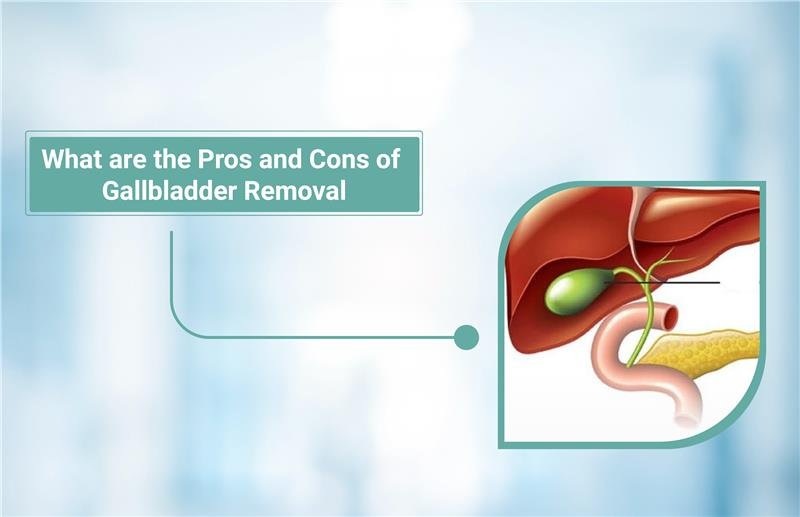
The gallbladder is a small, pear-shaped organ located under your liver. Its main job is to store bile, a digestive fluid made by the liver. Bile helps digest fats and absorb certain vitamins during meals.
When you eat fatty food, your gallbladder releases bile into your small intestine to help with digestion.
However, when gallstones or infections block the flow of bile, it can cause pain, nausea, and other digestive problems. In such cases, doctors may recommend gallbladder removal surgery.
When is gallbladder removal recommended?
Dr. Varun Bajaj explains that gallbladder removal is usually suggested when you experience:
- Frequent or severe abdominal pain (especially in the upper right area)
- Gallstones that block bile flow
- Inflammation or infection of the gallbladder (cholecystitis)
- Jaundice or yellowing of the skin due to bile duct blockage
- Digestive issues that persist despite medications
If these symptoms affect your daily life or cause serious discomfort, your doctor may advise removing the gallbladder to prevent further complications.
What are the pros of gallbladder removal?
Gallbladder removal can offer many benefits, especially for people struggling with painful gallstones or recurrent gallbladder attacks. Here are the main advantages:
- Relief from pain and discomfort: Gallstones can cause intense pain in the abdomen, back, or shoulder. Removing the gallbladder eliminates the root cause of this pain, providing long-term relief.
- Prevents serious complications: Untreated gallbladder problems can lead to infections, inflammation, or even rupture. Surgery helps prevent these serious health risks.
- Improved quality of life: After recovery, most patients can eat normally, enjoy daily activities, and live without the constant worry of another gallstone attack.
- Minimally invasive procedure: Modern gallbladder removal is often done laparoscopically, meaning through tiny incisions. This reduces pain, speeds up recovery, and leaves minimal scars.
- Quick recovery: Most people can go home the same day or the next day after surgery. They usually return to normal routines within one to two weeks.
In short, removing a diseased gallbladder can significantly improve your health and comfort.
What are the cons of gallbladder removal?
While the surgery is safe, it’s important to know about the potential drawbacks too. Here are the possible downsides:
- Temporary digestive changes
After surgery, bile flows directly from the liver into the intestine instead of being stored in the gallbladder. This can sometimes cause:
- Loose stools or mild diarrhoea
- Bloating or gas after eating fatty foods
These symptoms usually improve in a few weeks as your body adjusts.
- Fat digestion issues
Without a gallbladder, bile isn’t released in controlled amounts. Some people find it harder to digest very oily or greasy foods. Doctors often recommend eating smaller, low-fat meals at first.
- Postcholecystectomy syndrome (rare)
A small number of patients experience ongoing abdominal pain, indigestion, or nausea even after surgery. This condition is called postcholecystectomy syndrome, and it may need further medical evaluation.
- Surgical risks
As with any surgery, there are small risks of bleeding, infection, or injury to nearby organs. However, these are rare when the surgery is done by an experienced Gastro surgeon like Dr Varun Bajaj.
How can you manage life after gallbladder removal?
Most people live completely normal lives without a gallbladder. However, it helps to make small lifestyle changes to support digestion:
- Eat smaller, more frequent meals instead of large portions.
- Limit fried and fatty foods for a few weeks.
- Include fibre-rich foods like fruits, vegetables, and whole grains.
- Drink plenty of water to aid digestion.
- Stay active to help your body recover and maintain gut health.
Over time, your liver adjusts to the new bile flow, and you can usually enjoy all your favourite foods again, just in moderation.
Is gallbladder removal safe?
Yes, gallbladder removal is one of the most common and safest surgical procedures worldwide.
The laparoscopic technique, used in most cases, involves:
- Small incisions instead of one large cut
- Minimal pain after surgery
- Lower risk of infection
- Faster recovery
Under the guidance of an experienced specialist like Dr Varun Bajaj, the procedure is performed with precision and care, ensuring a smooth recovery for patients.
How long does recovery take?
Recovery depends on the type of surgery performed:
- Laparoscopic surgery: Most people return to work within 1–2 weeks.
- Open surgery (rare cases): Recovery may take 4–6 weeks.
Doctors generally advise avoiding heavy lifting and strenuous activities during this period. Gentle walking can help prevent stiffness and improve circulation.
What should you eat after gallbladder removal?
In the first few days after surgery, it’s best to stick to light, easily digestible foods such as:
- Soups and broths
- Steamed vegetables
- Boiled rice or oatmeal
- Lean proteins like chicken or fish
- Fresh fruits (avoid citrus initially)
As you recover, you can gradually reintroduce normal foods while avoiding deep-fried or spicy dishes for a few weeks. Following these tips on what to foods to eat after gallbladder removal can help support digestion and speed up your recovery.
When should you call your doctor after gallbladder removal?
While most recover smoothly, contact your doctor immediately if you notice:
- Fever or chills
- Redness or pus at the incision site
- Severe abdominal pain
- Persistent vomiting or diarrhea
- Yellowing of the skin or eyes
These could be signs of infection or bile duct issues and should be checked promptly.
Conclusion
Gallbladder removal is a safe and effective treatment option for gallstones and related conditions. While there are a few temporary side effects, the long-term benefits often outweigh the drawbacks.
If you’re facing gallbladder issues or are unsure whether surgery is right for you, it’s best to consult an experienced specialist. Dr. Varun Bajaj can help evaluate your condition, explain the pros and cons of gallbladder removal, and guide you toward the best treatment plan for lasting relief.
FAQs
Can you live normally without a gallbladder?
Yes. Your liver continues to make bile, and your body learns to digest food efficiently without a gallbladder.
Will I gain weight after surgery?
Not necessarily. Some people may gain a little weight if they start eating high-fat food again. Maintaining a balanced diet helps prevent this.
Is gallbladder removal painful?
You may feel mild discomfort for a few days after surgery, but pain is well-managed with prescribed medicines.
Are there any long-term effects?
Most people have no long-term issues. Rarely, some individuals may experience mild indigestion or loose stools, which typically subside over time.
Can gallstones come back after removal?
No. Once the gallbladder is removed, gallstones cannot be returned because the organ that forms them is gone.