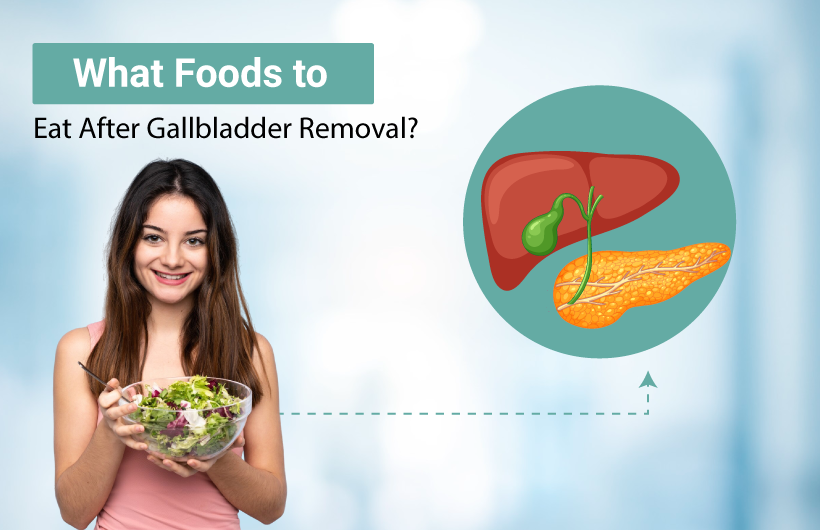
Had your gallbladder removed and not sure what to eat now? Don’t worry, you’re not alone! After gallbladder surgery, your body needs a little time to adjust, especially when it comes to digesting fatty or spicy foods.
In this guide, Gastroenterologist in Ahmedabad, Dr. Varun Bajaj shares simple tips on what to eat, what to avoid, and how to recover comfortably.
Why Does Diet Matter After Gallbladder Surgery?
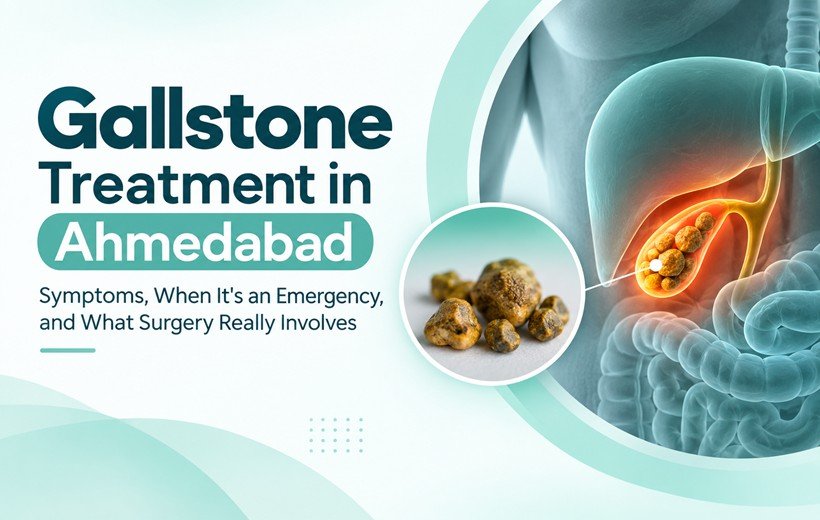
The gallbladder is a tiny organ located beneath the liver. It holds a bile, a digestive juice that plays an important role in breaking down fats.
- Before surgery, the gallbladder releases bile in controlled amounts when you eat fatty foods.
- After surgery, bile flows directly from the liver into the small intestine in a constant trickle, which means your body can’t handle large amounts of fat at once.
That’s why after gallbladder removal; many people notice changes in digestion. Some may experience bloating, gas, diarrhoea, or fatty stools, especially in the first few weeks. A proper diet can help your body adjust to this new way of digesting food.
Best Foods to Eat After Gallbladder Removal
Right after surgery, your digestive system needs gentle care. Here’s what to focus on:
1. Low-fat, easy-to-digest foods
- Boiled or steamed vegetables (avoid adding butter or heavy oil)
- Plain rice, dal, khichdi, or soft chapati without ghee
- Poha, idli, upma – light Indian breakfasts are usually good choices
- Lean proteins like boiled chicken, fish (grilled or steamed), or dal
Can I eat idli after gallbladder surgery?
Yes! Idli is one of the best foods you can eat after gallbladder surgery. It is steamed, completely oil-free, and very easy on your digestive system. You can safely start having idli from day 3–4 after surgery. Pair it with thin sambar (no coconut or heavy oil) or a small amount of plain green chutney. Avoid coconut-based chutneys in the first two weeks as coconut is high in fat. Start with 2–3 small idlis per meal.
2. Fiber-rich foods
- Oats, whole grains, fruits like papaya, apple (peeled), banana
- Fibre helps regulate bowel movements but increases slowly to avoid gas.
3. Stay hydrated
- Drink plenty of water, coconut water, thin buttermilk.
- Avoid dehydration as it can worsen constipation or digestion issues.
Coconut water after gallbladder removal
Coconut water is excellent for recovery after gallbladder removal. It naturally hydrates your body, replenishes electrolytes lost due to loose stools, and is very low in fat. Drink 1 glass of fresh coconut water daily during your recovery.
Coconut water is safe, but coconut milk and coconut oil are high in fat and should be avoided for the first 6–8 weeks.
4. Small, frequent meals
- Instead of three heavy meals, eat 5–6 small meals spread throughout the day.
- This gives your digestive system time to handle food without being overwhelmed.
Helpful tips:
- Eat 5–6 small meals a day instead of 2–3 big ones
- Add fiber slowly to avoid gas or bloating
- Stay hydrated to help digestion
Specific Foods: Your Questions Answered
Many patients ask about specific foods during recovery. Here are the most common questions:
Chicken after gallbladder removal — Is it safe?
Yes, chicken is safe after gallbladder removal — but only when prepared the right way. Choose skinless, boiled, or grilled chicken. You can introduce boiled chicken in small amounts from week 2 of recovery. It is a good source of lean protein that helps your body heal without stressing digestion.
- ✅ Safe: Boiled, grilled, or steamed skinless chicken
- ❌ Avoid: Fried chicken, butter chicken, chicken curry with heavy oil (for first 4–6 weeks)
Is papaya good after gallbladder surgery?
Yes — papaya is one of the most recommended fruits after gallbladder surgery. It contains a natural digestive enzyme called papain that helps break down proteins and soothes the gut. Ripe papaya is soft, low in fat, and easy to digest. You can eat a small bowl of fresh papaya daily from the very first week.
Always choose fresh, ripe papaya. Avoid canned or sweetened versions.
Can you eat pickles after gallbladder surgery?
This depends on the type of pickle:
- Plain water-brined pickles (like simple cucumber pickles with no oil) may be eaten in very small amounts after 4–6 weeks.
- Indian-style achaar — mango pickle, lemon pickle, mixed pickle — contains oil, strong spices, and salt. These can irritate your digestive system and should be avoided for the first 2 months.
If you do reintroduce pickles later, keep portions very small and observe how your body reacts.
Can I Eat Fast Food After Gallbladder Removal?
Fast food is one of the biggest things to be careful about after gallbladder surgery. Most fast food items — burgers, pizza, fried snacks, samosas, pakoras — are very high in fat. Without a gallbladder, your body cannot handle large amounts of fat at once, which can lead to sudden diarrhoea, bloating, and stomach cramps shortly after eating.
- In the first 3 months: Avoid fast food completely. Your digestive system is still adjusting.
- After 3–6 months: If you must eat out, choose safer options from the table below:
| ✅ Safer Choices | ❌ What to Avoid |
| Plain roti / steamed rice | Fried rice, heavy masala biryani |
| Grilled / tandoori chicken (no butter) | Butter chicken, fried chicken |
| Dal, plain rajma | Paneer butter masala, creamy curries |
| Fresh salad (no creamy dressing) | Burgers, pizza, samosas, pakoras |
| Plain idli / plain dosa (no butter) | Masala dosa with heavy ghee |
Even after recovery, treat fast food as an occasional choice and keep portions small.
Foods to Avoid After Gallbladder Surgery
For the first few weeks, it’s best to stay away from:
- High-fat foods: fried items, pakoras, samosas, pizza, cream, butter, cheese, fatty cuts of meat.
- Spicy foods: heavy masala, pickles, or too much chilli can irritate your guts.
- Sugary foods: pastries, sweets, and cold drinks can be hard to digest.
- Dairy: Butter, cream, cheese, and heavy dairy items. If milk upsets your stomach, try curd or buttermilk instead.
- Processed foods: chips, bakery snacks, canned or fast foods often contain hidden fats.
Sample Diet Plan After Gallbladder Removal
Days 1–3:
- Start with clear liquids like dal water, veg soup, coconut water
- Slowly add soft foods like mashed rice or suji porridge
Days 4–7:
- Eat soft solids like idli, upma, boiled veggies, plain toast
- Keep meals small and less oily
After 1 Week:
- Add chapati (no ghee), boiled egg, grilled chicken or fish
- Still avoid fried, spicy, or heavy foods for 3–4 weeks
| Timeline | What You Can Eat |
| Days 1–3 | Clear liquids: dal water, veg soup, coconut water |
| Days 4–7 | Soft solids: idli, upma, boiled veggies, plain toast |
| Week 2–4 | Chapati (no ghee), boiled egg, grilled chicken, fish |
| After 4–6 weeks | Near-normal diet with low-fat choices |
Keep meals small and low in oil throughout all stages.
Long-Term Healthy Eating Tips
Even after you’ve healed, these habits will help you feel your best:
- Eat a low-fat, balanced diet
- Choose healthy fats like nuts, seeds, or little olive oil
- Don’t overeat – eat small portions
- Go for a short walk daily – it helps digestion
- Keep a food diary – note what suits you and what doesn’t
Conclusion
Gallbladder removal is a safe and common surgery, but adjusting your diet plays a significant role in a smooth recovery and lifelong digestive comfort.
Eat small, low-fat, balanced meals, stay hydrated, and give your body time to adapt. If you experience persistent pain, diarrhea, or discomfort, don’t hesitate to reach out for help.
Remember, healthy eating isn’t just about living without a gallbladder; it’s about enjoying a healthier, more energetic life overall!
Need Help?
If you’re feeling confused about what to eat or still facing digestion issues, don’t worry.
Book an appointment with Dr. Varun Bajaj for simple and clear guidance on your diet after gallbladder surgery.
FAQs
Can I eat normal food after gallbladder surgery?
Yes! After 4–6 weeks, most people eat regular meals. But avoid very oily or fried food long-term.
Will I lose or gain weight after surgery?
Some lose weight at first due to light eating. But eating high-calorie food later can cause weight gain.
How long should I follow a special diet?
Mostly for 4–6 weeks. But keeping a healthy, low-fat diet always helps your stomach.