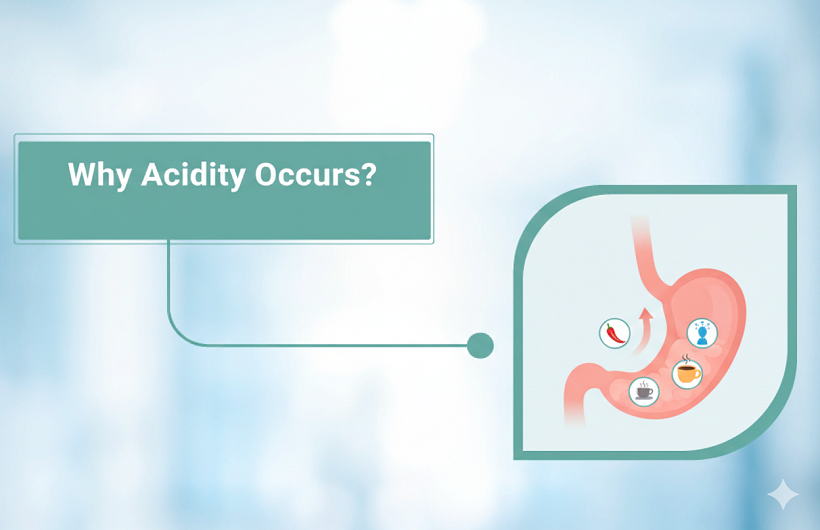
Acidity is one of the most common digestive problems seen in Ahmedabad clinics today. Many people experience burning in the chest, sour taste in the mouth, or discomfort after meals but are unsure why acidity occurs or why acidity occurs after eating.
In this detailed guide, Dr Varun Bajaj explains the real causes of acidity, why it becomes frequent, and when you should seek medical help in Ahmedabad.
What is Acidity?
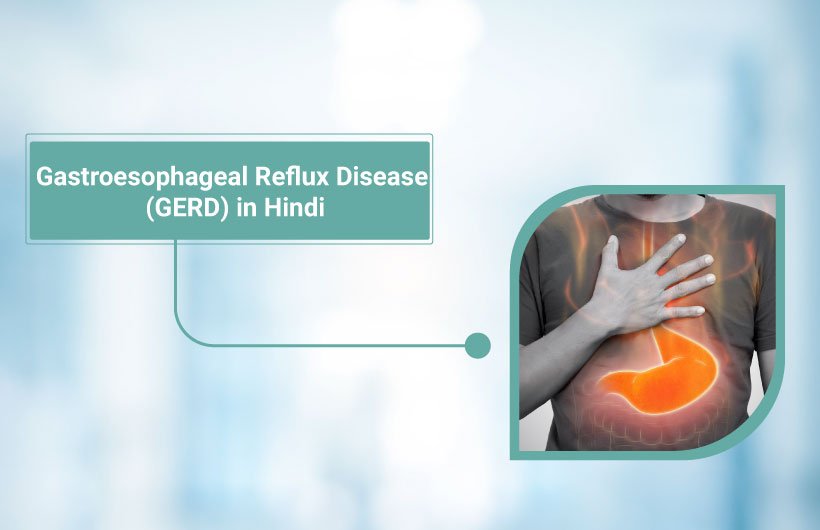
Acidity occurs when the stomach produces excess gastric acid or when acid flows back into the food pipe, also known as acid reflux.
The stomach naturally produces acid to digest food. However, when acid production increases or the lower esophageal sphincter becomes weak, acid moves upward and causes irritation.
This leads to:
- Burning sensation in chest known as heartburn
- Throat discomfort
- Belching
- Sour taste
- Nausea
If untreated, frequent acidity can lead to GERD or inflammation of the esophagus.
Why Acidity Occurs
Acidity is not caused by a single factor. It usually results from a combination of diet, lifestyle, stress, and medical conditions.
1. Excess Acid Production
Certain foods increase stomach acid production, such as:
- Spicy and Oily foods
- Fried snacks
- Oily meals
- Citrus fruits
- Tea and coffee
- Carbonated drinks
These foods can irritate the stomach lining and relax the lower esophageal sphincter, allowing acid to move upward.
2. Eating Large or Heavy Meals
Another important reason why acidity occurs after eating is consuming large portions of food. When the stomach is overloaded, it produces more acid to digest the meal.
Heavy meals also increase pressure inside the stomach, pushing acid upward into the esophagus. Eating quickly, late night dinners, and lying down soon after meals are common triggers.
To reduce acidity after meals:
-
Eat smaller portions
-
Avoid heavy late dinners
-
Wait at least two to three hours before lying down
3. Irregular Eating Patterns
Skipping meals or eating at irregular times confuses the digestive system. The stomach continues to produce acid even when there is no food to digest.
This acid buildup can irritate the stomach lining and lead to burning sensation or discomfort. Maintaining regular meal timings helps prevent excess acid accumulation.
4. Stress and Anxiety
Stress plays a major role in digestive health. When you are stressed, your body produces hormones that can increase stomach acid production.
Many patients notice that acidity occurs frequently during stressful periods such as work pressure, exams, or emotional strain. Managing stress through exercise, meditation, and proper sleep can significantly reduce symptoms.
5. Certain Medications
Some medicines can irritate the stomach lining or increase acid production. These include:
-
Painkillers such as ibuprofen
-
Aspirin
-
Certain antibiotics
-
Some blood pressure medications
If you experience acidity after starting a new medicine, consult your doctor for guidance.
6. Smoking and Alcohol Consumption
Smoking weakens the lower esophageal sphincter, making it easier for acid to travel upwards. Alcohol increases acid production and irritates the stomach lining.
Both tobacco and alcohol are common reasons why acidity occurs frequently in many individuals. Reducing or quitting smoking and limiting alcohol intake can greatly improve symptoms.
7. Obesity and Poor Physical Activity
Excess body weight increases pressure inside the abdomen. This pressure pushes stomach contents upward, leading to frequent acid reflux.
Sedentary lifestyle and lack of physical activity worsen digestion and contribute to persistent acidity. Maintaining a healthy weight and engaging in regular physical activity help reduce symptoms.
8. Underlying Medical Conditions
Sometimes acidity occurs frequently due to medical conditions such as:
-
Hiatal hernia
-
Gastritis
-
Peptic ulcers
-
Pregnancy
These conditions may require medical evaluation and proper treatment to prevent complications.
If acidity persists for several weeks or occurs more than twice a week, medical consultation is recommended.
Why Acidity Occurs After Eating
Many patients ask why acidity occurs after eating and not at other times.
After eating, the stomach produces acid to digest food. If the meal is heavy, oily, or spicy, the stomach produces more acid than usual. If you lie down soon after eating, the acid can easily move upward.
Common triggers include:
-
Overeating
-
Eating quickly
-
Heavy dinners
-
Lying down immediately after meals
To reduce acidity after meals:
-
Eat smaller portions
-
Avoid lying down for at least two hours
-
Reduce spicy and fried foods
Why Acidity Occurs Frequently
Occasional acidity is common. However, if it happens more than twice a week, it may indicate an underlying condition.
Frequent acidity may be caused by:
-
Chronic stress
-
Obesity
-
Smoking
-
Poor dietary habits
-
Gastritis
-
Hiatal hernia
-
GERD
If acidity occurs frequently, medical evaluation is important to prevent complications.
Gastrointestinal Surgeon in Ahmedabad, Dr Varun Bajaj, advises patients not to ignore recurring symptoms, as early treatment helps prevent long term digestive damage.
Symptoms of Acidity
Common symptoms include:
-
Burning chest pain
-
Sour taste in mouth
-
Burping
-
Upper abdominal pain
-
Bloating
-
Nausea
Seek medical help immediately if you experience:
-
Difficulty swallowing
-
Persistent vomiting
-
Unexplained weight loss
-
Severe chest pain
When Should You See a Doctor in Ahmedabad?
You should consult a doctor if:
-
Acidity happens frequently
-
Symptoms last more than a few weeks
-
Over the counter medicines are not helping
-
You have severe discomfort
Early diagnosis ensures better treatment outcomes.
Acidity Treatment in Ahmedabad by Dr Varun Bajaj
Treatment depends on the severity and underlying cause.
Management may include:
-
Lifestyle modifications
-
Dietary changes
-
Acid reducing medications
-
Treatment for GERD or gastritis
Dr Varun Bajaj focuses on identifying the root cause of acidity rather than only treating symptoms.
Tips to Prevent Acidity
Simple lifestyle changes can significantly reduce acidity:
-
Eat smaller and regular meals
-
Avoid excessive spicy and fried food
-
Maintain healthy body weight
-
Reduce tea and coffee intake
-
Avoid smoking
-
Limit alcohol
-
Manage stress through yoga or exercise
-
Stay upright after meals
These changes are especially helpful for people living in fast paced urban environments like Ahmedabad.
Conclusion
Understanding why acidity occurs helps you take timely action and prevent long term complications. Acidity can be managed effectively with lifestyle adjustments and proper medical guidance.
If you are experiencing frequent acidity, discomfort after eating, or persistent heartburn in Ahmedabad, consulting Dr Varun Bajaj can help you identify the root cause and receive appropriate treatment.
Early diagnosis and the right care can significantly improve your digestive health and overall well being.
About Dr Varun Bajaj
Dr Varun Bajaj is experienced in diagnosing and treating digestive disorders including acidity, acid reflux, GERD, and gastritis in Ahmedabad. His approach focuses on accurate diagnosis, lifestyle guidance, and personalized treatment plans for long term digestive health.
FAQs
Why acidity occurs in the stomach?
Acidity occurs when the stomach produces excess acid or when acid moves back into the esophagus due to a weak lower esophageal sphincter.
Why acidity occurs after eating?
It occurs because the stomach produces more acid to digest food, especially heavy or spicy meals.
Why acidity occurs frequently?
Frequent acidity may indicate poor lifestyle habits, stress, obesity, or digestive conditions such as GERD or gastritis.
Is acidity serious?
Occasional acidity is common. However, frequent symptoms require medical attention to prevent complications.