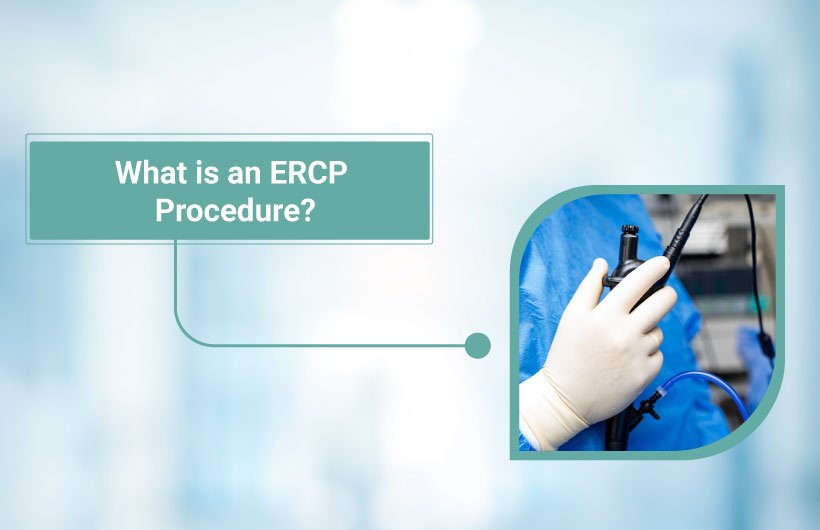
If your doctor has mentioned ERCP and you’re wondering what is an ERCP procedure, you’re not alone. Many patients feel confused or anxious when they hear this medical term for the first time. Understanding why ERCP is recommended, how it’s performed, and what to expect can help you feel more confident and prepared.
In this blog, Dr Varun Bajaj explains ERCP in simple, easy-to-understand language so you can make informed decisions about your digestive health.
What is an ERCP Procedure?
ERCP stands for Endoscopic Retrograde Cholangiopancreatography. It is a specialised medical procedure used to diagnose and treat problems in the bile ducts and pancreatic ducts. These ducts are responsible for carrying digestive juices from the liver, gallbladder, and pancreas into the small intestine.
What makes ERCP unique is that it combines diagnosis and treatment in a single procedure, often avoiding the need for surgery.
Why is an ERCP Procedure Done?
Your doctor may recommend an ERCP procedure if symptoms suggest a blockage, inflammation, or abnormality in the bile or pancreatic ducts.
Common reasons for ERCP include:
-
Yellowing of the skin or eyes (jaundice)
-
Persistent or severe abdominal pain
-
Gallstones are blocking the bile duct
-
Infection or inflammation of the bile ducts (cholangitis)
-
Pancreatitis or pancreatic duct disorders
-
Suspected narrowing or tumours in the ducts
Unlike many imaging tests, ERCP allows doctors to treat the problem immediately, such as removing stones or placing a stent.
How Does the ERCP Procedure Work?
An ERCP procedure combines two techniques:
-
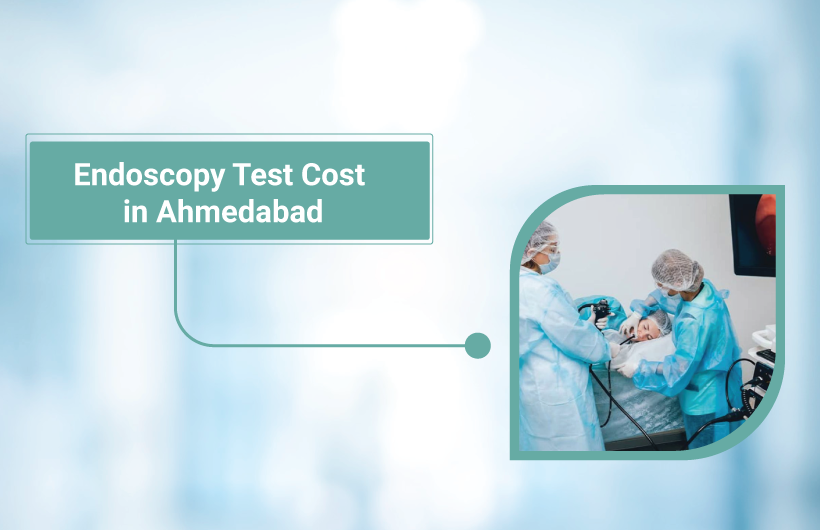
Endoscopy – using a flexible tube with a camera to view the digestive tract
-
Fluoroscopy (X-ray imaging) – to see the bile and pancreatic ducts clearly
The endoscope is gently passed through the mouth, down the esophagus and stomach, into the first part of the small intestine (duodenum). A contrast dye is then injected into the ducts, making blockages or abnormalities visible on X-ray.
ERCP Procedure Step by Step
Before the ERCP Procedure
Before your ERCP, your healthcare team will guide you on how to prepare:
-
Avoid eating or drinking for several hours
-
Inform your doctor about medications, especially blood thinners
-
Share any allergies, including contrast dye reactions
-
Arrange transportation home due to sedation
During the ERCP Procedure
Here’s what typically happens:
-
Sedation – Medication is given through an IV to help you relax or sleep
-
Endoscope insertion – The scope is passed through your mouth to the duodenum
-
Dye injection and X-ray imaging – Ducts are visualised clearly
-
Treatment (if required) – Stones may be removed, stents placed, or a small incision (sphincterotomy) performed
The procedure usually takes 1 to 2 hours, and most patients go home the same day.
After the ERCP Procedure
After ERCP, you’ll be monitored while the sedation wears off. Mild side effects may include:
-
Sore throat
-
Bloating or gas
-
Mild nausea
These symptoms usually resolve within a day. Your doctor will advise you on diet, medications, and warning signs to watch for.
Is the ERCP Procedure Safe?
Like all medical procedures, ERCP carries some risks, but serious complications are uncommon when performed by experienced specialists.
Possible risks include:
-
Pancreatitis
-
Infection of the bile ducts
-
Bleeding
-
Reaction to sedation or contrast dye
-
Injury to the digestive tract
Dr. Varun Bajaj emphasises that for many patients, the benefits of ERCP outweigh the risks, especially when treatment can be completed during the same procedure.
ERCP vs Other Imaging Tests
Other tests may be used before ERCP, such as:
-
MRCP – a non-invasive MRI scan of bile and pancreatic ducts
-
Ultrasound or CT scan – to identify stones or structural issues
However, these tests cannot provide treatment. ERCP is recommended when direct intervention or biopsy is needed.
Conclusion: What is an ERCP Procedure?
So, what is an ERCP procedure?
It is an advanced endoscopic technique that allows doctors to diagnose and treat bile duct and pancreatic duct problems in a single session. ERCP often prevents the need for traditional surgery and supports faster recovery.
If you’re experiencing symptoms like jaundice, persistent abdominal pain, or suspected duct blockages, ERCP may be a crucial step toward effective treatment. With expert guidance from Gastroenterology Specialists like Dr Varun Bajaj, patients can approach the procedure with clarity, confidence, and peace of mind.
If your doctor has recommended ERCP or you’d like to know whether it’s right for you, don’t hesitate to ask questions. Understanding your options is the first step toward better health.
FAQs
Is an ERCP procedure painful?
No. Sedation ensures you’re comfortable during the procedure.
Is ERCP considered surgery?
No. ERCP is a minimally invasive endoscopic procedure.
How long does recovery take after ERCP?
Most patients recover within 24 – 48 hours.
Can ERCP remove gallstones?
Yes. ERCP can remove stones blocking the bile duct.
Are there alternatives to ERCP?
Yes, but ERCP is preferred when treatment is required during diagnosis.