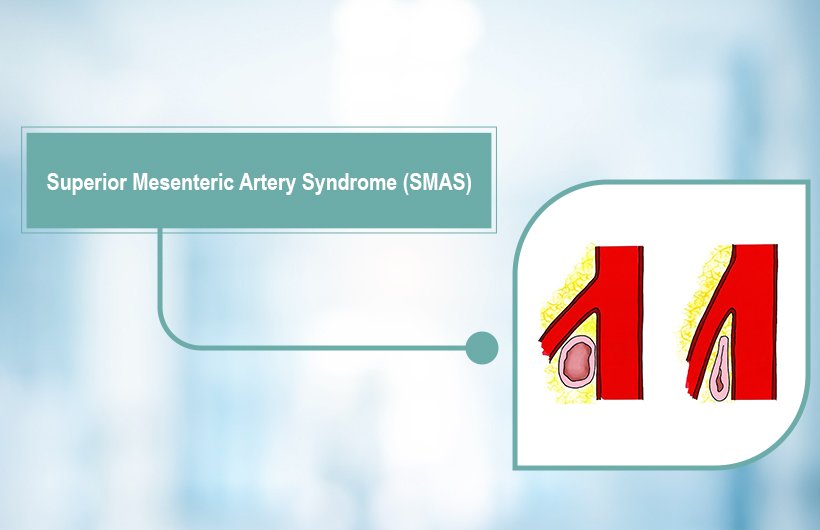
Superior mesenteric artery syndrome (SMAS) is a rare but serious digestive condition that can cause severe abdominal pain, vomiting, and weight loss. It occurs when the small intestine (duodenum) gets compressed between two major blood vessels, blocking the normal flow of food.
Although uncommon, early diagnosis and proper treatment can help manage symptoms effectively and prevent complications.
What is Superior Mesenteric Artery Syndrome?
Superior mesenteric artery syndrome is a condition in which the duodenum is compressed between the aorta and the superior mesenteric artery, leading to partial or complete blockage of food movement.
Normally, a fat cushion keeps enough space between these arteries. However, when this space narrows, pressure builds on the intestine, causing digestive problems.
This condition is also known as:
- SMAS syndrome
- Wilkie’s syndrome
- Duodenal compression syndrome
If left untreated, SMAS can lead to malnutrition and serious health complications.
Causes of Superior Mesenteric Artery Syndrome
The most common cause of superior mesenteric artery syndrome is rapid weight loss, which reduces the fat cushion protecting the intestine.
Common Causes Include:
- Rapid weight loss (most common)
- Eating disorders (like anorexia)
- Chronic illnesses (cancer, infections)
- Prolonged bed rest
- Major surgery or trauma
- Severe burns
In rare cases, body structure or genetic factors may also contribute.
Symptoms of SMAS (Warning Signs)
Symptoms often worsen after eating because food cannot pass easily through the compressed intestine.
Common Symptoms:
- Abdominal pain (especially after meals)
- Nausea and vomiting
- Unexplained weight loss
- Early fullness (feeling full quickly)
- Bloating and indigestion
- Constipation
- Excess gas or belching
Some patients feel relief by lying on their side or bringing knees to the chest.
How is Superior Mesenteric Artery Syndrome Diagnosed?
Diagnosis can be challenging because symptoms are similar to other digestive disorders.
Common Diagnostic Tests:
- CT Scan (Angiography) – Confirms artery compression
- Upper GI Endoscopy – Checks for blockage
- X-ray or Barium Study – Tracks food movement
- Ultrasound – May help in some cases
Early diagnosis is crucial to avoid complications like severe malnutrition.
Treatment Options for Superior Mesenteric Artery Syndrome
Treatment depends on the severity of the condition. Most cases are managed without surgery initially.
1. Non-Surgical Treatment
This is the first line of treatment.
- High-calorie, small frequent meals
- Weight gain to restore fat cushion
- Liquid or soft diet
- Postural therapy after meals
- Feeding tube support (in severe cases)
- Medications for symptom relief
Goal: Restore normal anatomy and improve digestion.
2. Surgical Treatment
If conservative treatment fails, surgery may be required.
Common Procedures:
- Duodenojejunostomy (most effective)
- Gastrojejunostomy
- Strong’s procedure (repositioning intestine)
Surgery is usually recommended for severe or long-term cases.
Complications of Untreated SMAS
If not treated, superior mesenteric artery syndrome can lead to:
- Severe malnutrition
- Dehydration
- Electrolyte imbalance
- Complete intestinal blockage
Early treatment significantly improves outcomes.
Diet Tips for SMAS Patients
Proper nutrition plays a major role in recovery.
Recommended Tips:
- Eat small, frequent meals
- Focus on high-calorie foods
- Include soft and easy-to-digest foods
- Stay well hydrated
- Avoid heavy meals
Nutritional therapy alone can resolve symptoms in many cases.
When Should You See a Doctor?
Consult a doctor if you experience:
- Persistent abdominal pain after eating
- Frequent vomiting
- Sudden or unexplained weight loss
- Difficulty eating or digesting food
Early medical attention can prevent serious complications.
About the Expert
Dr. Varun Bajaj is an experienced gastrointestinal specialist in digestive disorders with expertise in diagnosing and managing rare conditions like superior mesenteric artery syndrome. Early consultation can help in accurate diagnosis and personalized treatment.
Conclusion
Superior mesenteric artery syndrome is a rare but treatable condition. Understanding the symptoms, causes, and treatment options can help you take timely action.
With proper diagnosis, nutritional support, and medical care, most patients can recover successfully and return to normal life.
If you are experiencing persistent digestive symptoms, it is crucial to seek early consultation, as it can significantly impact your health.
FAQs
Is superior mesenteric artery syndrome life-threatening?
It can become serious if untreated, but early treatment leads to good recovery.
Can SMAS be cured without surgery?
Yes, many patients recover with nutritional therapy and weight gain.
How rare is SMAS?
It is a very rare condition, affecting a small percentage of the population.
What foods should SMAS patients eat?
Soft, high-calorie, and easily digestible foods are recommended.
Can weight gain help treat SMAS?
Yes, gaining weight helps restore the fat cushion and relieve compression.