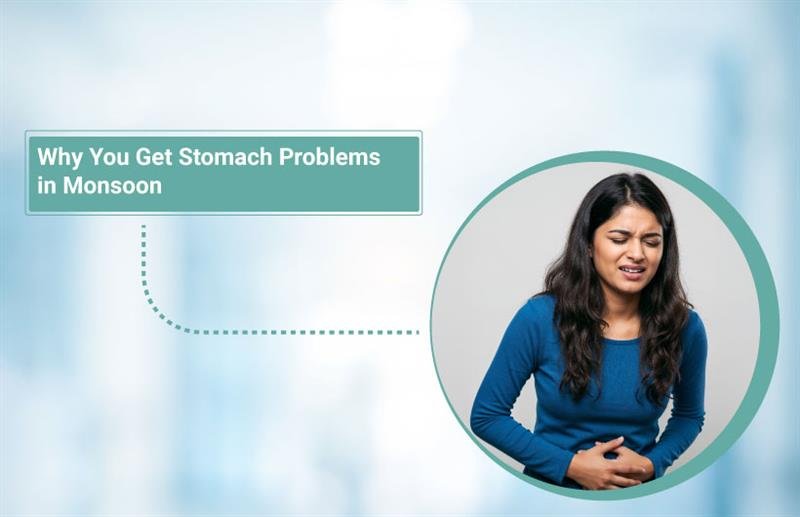
Monsoon is a refreshing season with cool breeze, green surroundings, and relief from the summer heat. But along with its beauty, it can also bring some health problems. One of the most common issues during this time is stomach trouble. Many people experience indigestion, food poisoning, diarrhoea, or bloating in the rainy season.
Why does this happen? Heavy rains can make water dirty, the damp weather helps bacteria and fungi grow, and our immunity is often weaker. These factors can cause infections and digestive problems.
The good news is that with simple care like drinking clean water, eating fresh food, and keeping good hygiene, you can enjoy the monsoon without worrying about stomach issues. Stay healthy and enjoy the rains.
Why Stomach Problems Increase in Monsoon
- Contaminated Water: During the rains, water often gets mixed with sewage, making it unsafe to drink. Even if the water looks clean, it may contain harmful germs like E. coli, cholera bacteria, or hepatitis viruses. Drinking such water can lead to illnesses like cholera, typhoid, and hepatitis A or E.
- Humidity and Bacterial Growth: The monsoon creates a damp environment where bacteria, viruses, and fungi grow quickly. Fruits, vegetables, grains, and cooked food spoil faster in humid conditions. Street food left uncovered can become a breeding ground for germs.
- Risks from Street Food: Rainy weather makes us crave snacks from roadside stalls, but eating street food during this season can be risky. Ingredients may be washed with unsafe water, stored in unhygienic conditions, or exposed to flies and moisture. Poor handling increases the chances of stomach infections.
- Mold and Storage Problems: The rainy season encourages mold growth on stored items like pulses, grains, and flour. Consuming moldy food can cause food poisoning or fungal infections. Frequent use of antibiotics during seasonal illnesses can also disturb gut health and weaken digestion.
Common Stomach Problems During Monsoon
Monsoon can bring many digestive issues. Some of the most common stomach problems during this season include:
- Diarrhoea and Vomiting: Contaminated food or water often causes diarrhoea, which may come with vomiting, stomach cramps, and dehydration.
- Gastroenteritis: Infections in the stomach and intestines can lead to severe diarrhoea, cramps, nausea, and fever.
- Hepatitis A and E: These viral infections spread through dirty water and food. Symptoms include nausea, fatigue, stomach pain, and sometimes yellowing of the skin or eyes.
- Indigestion and Gas: Eating oily, spicy, or unhygienic food can cause bloating, heartburn, and discomfort. Heavy meals are harder to digest when immunity is low.
- Parasitic Infections: Less common but still possible, parasites like tapeworms can enter the body through undercooked meat or contaminated food, causing stomach pain and malnutrition.
Prevention Tips to Stay Safe from Stomach Problems in Monsoon
The best way to avoid stomach troubles during the rainy season is through prevention. Simple lifestyle and food habits can help keep your digestion strong and your immunity healthy.
- Safe Water Habits
-
Drink boiled, filtered, or purified water.
-
Avoid ice from outside sources, as it may be made from dirty water.
-
Carry your own clean water bottle while travelling.
-
- Food Hygiene
- Eat freshly cooked meals and avoid food that has been sitting out.
- Skip raw salads, leafy greens, or unpeeled fruits, as they may carry germs.
- Avoid cruciferous vegetables like cabbage or cauliflower since they are harder to clean and may cause gas.
- Stay away from street food, no matter how tempting.
- Healthy Diet Choices
- Opt for light, warm meals like khichdi, moong dal, or vegetable soup.
- Cut down on oily, fried, and spicy dishes as they are harder to digest.
- Add probiotics like yoghurt, buttermilk, and fermented foods to improve gut health.
- Use spices such as ginger, turmeric, cumin, or asafoetida to aid digestion and reduce bloating.
- Hygiene at Home
- Wash your hands before eating, cooking, and after using the washroom.
- Keep your kitchen clean and store food in airtight containers.
- Refrigerate leftovers quickly to avoid bacterial growth.
- Remove stagnant water near your house to reduce the risk of infections.
- Lifestyle and Immunity Boost
- Drink warm water or herbal teas to stay hydrated.
- Eat at regular times and avoid skipping meals.
- Exercise moderately, sleep well, and manage stress to strengthen immunity.
- Limit packaged or processed foods.
- If advised by your doctor, take vaccines for typhoid and hepatitis A.
Quick Checklist for Monsoon Gut Safety
-
Drink only boiled, filtered, or purified water.
-
Choose freshly cooked and warm meals over leftovers.
-
Avoid street food, raw salads, and unwashed fruits.
-
Include probiotics like yoghurt or buttermilk and add spices such as ginger, cumin, and turmeric to aid digestion.
-
Wash hands properly and keep your kitchen and food storage clean.
-
Stay hydrated with clean water or herbal teas.
-
Eat meals on time and get enough rest to support immunity.
-
Consult a doctor if stomach problems last for more than two days.
When to Visit a Doctor During Monsoon Stomach Problems
Not all stomach issues in the rainy season are mild. While simple indigestion or loose stools may settle with home care, some symptoms need medical attention. See a doctor if you notice:
-
Diarrhoea lasting more than two days
-
Signs of severe dehydration like dizziness, dry mouth, or reduced urination
-
High fever with stomach pain
-
Blood in stools or vomit
-
Yellowing of skin or eyes (jaundice)
-
Sudden and unexplained weight loss
Getting timely treatment can prevent serious complications and help you recover faster.
Conclusion
The monsoon season is refreshing, but it also increases the risk of stomach-related illnesses. Contaminated food and water, bacterial growth due to humidity, and low immunity are common reasons for digestive troubles during this time. By eating safe food, drinking clean water, and maintaining good hygiene, you can keep your stomach healthy and enjoy the rains.
If you or your loved ones face persistent stomach problems, do not ignore the symptoms. Consulting an experienced Gastrointestinal Surgeon in Ahmedabad, like Dr. Varun Bajaj, can help in diagnosing the exact cause and ensuring proper treatment at the right time. Prevention is always better than cure, so follow healthy habits and let the rains bring happiness without stomach troubles.