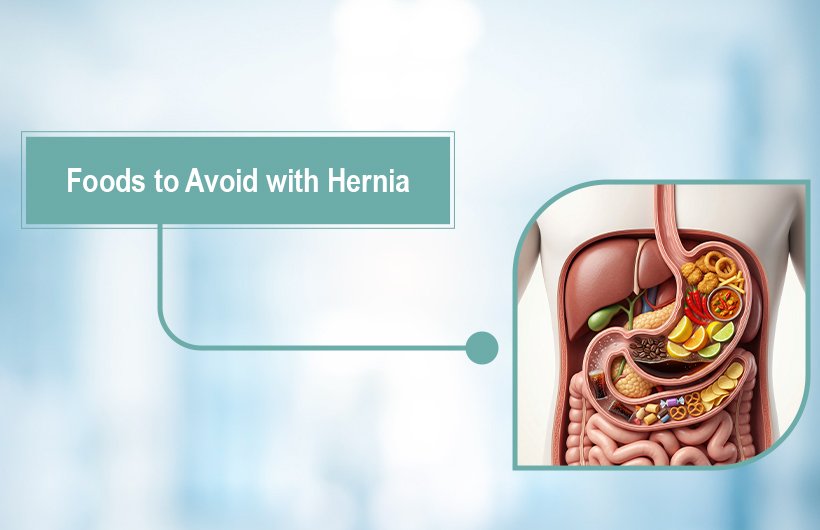
Knowing the right foods to avoid with hernia can make a big difference in reducing pain, bloating, and acid reflux. Many patients unknowingly eat foods that worsen their condition by increasing stomach pressure or acidity.
A proper hernia diet plan helps control symptoms, improves digestion, and prevents complications. In this guide, you’ll learn exactly what not to eat in hernia and why avoiding certain foods is essential.
What foods should you avoid with a hernia?
People with hernia should avoid spicy foods, fried items, acidic foods, caffeine, carbonated drinks, alcohol, processed foods, and sugary items. These foods increase acid reflux, gas, and abdominal pressure, which can worsen hernia symptoms and discomfort.
Top Foods to Avoid with Hernia
If you have a hernia, these foods can trigger discomfort, acidity, and digestive issues.
1. Spicy Foods
Spicy foods like chilli, hot sauces, and masala-heavy dishes irritate the stomach lining and increase acid production.
Why avoid:
- Triggers acid reflux
- Causes burning sensation
- Increases inflammation
2. Fried and Fatty Foods
Deep-fried and oily foods are difficult to digest and slow down stomach emptying.
Examples:
- Samosas, pakoras
- French fries
- Fried chicken
- Heavy gravies
Why avoid:
- Increase abdominal pressure
- Worsen hernia symptoms
- Lead to bloating
3. Acidic Foods
Highly acidic foods can worsen hiatal hernia symptoms and trigger heartburn.
Avoid:
- Tomatoes and sauces
- Citrus fruits (orange, lemon)
- Vinegar and pickles
4. Caffeinated Drinks
Caffeine relaxes the lower esophageal sphincter (LES), allowing acid to move upward.
Limit:
- Tea and coffee
- Energy drinks
5. Carbonated Beverages
Fizzy drinks increase gas and bloating, putting pressure on the abdomen.
Avoid:
- Soda
- Soft drinks
6. Alcohol
Alcohol irritates the stomach lining and increases acid production.
Effects:
- Weakens digestion
- Increases reflux
- Causes bloating
7. Processed and Junk Food
Highly processed foods are rich in unhealthy fats, salt, and preservatives.
Examples:
- Packaged snacks
- Processed meats
- Instant foods
8. Sugary Foods and Desserts
Excess sugar can lead to indigestion and weight gain, both harmful for hernia patients.
Avoid:
- Cakes and pastries
- Chocolates
- Sugary drinks
9. Mint and Chocolate
Both relax the LES, increasing the chances of acid reflux.
| Food Type | Why Avoid |
|---|---|
| Spicy foods | Increase acidity |
| Fried foods | Slow digestion |
| Citrus foods | Trigger reflux |
| Carbonated drinks | Cause bloating |
| Alcohol | Irritates stomach |
| Processed food | Worsens digestion |
Why These Foods Worsen Hernia
Understanding the reason helps you make better diet choices.
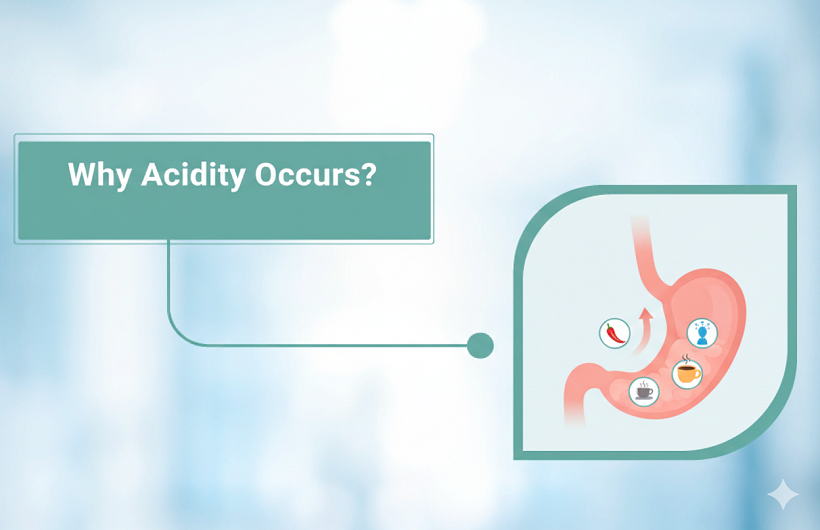
- Increase Acid Production: Spicy, acidic, and caffeinated foods lead to heartburn and irritation.
- Relax the LES Valve: Chocolate, caffeine, and alcohol allow acid to move upward.
- Cause Gas and Bloating: Carbonated drinks and junk food increase abdominal pressure.
- Slow digestion: Fatty foods stay longer in the stomach, worsening symptoms.
- Lead to Weight Gain: Extra weight increases pressure on the abdominal wall.
What to Eat Instead (Hernia-Friendly Diet)
To balance your diet, include foods that are easy to digest:
Recommended foods:
- Oatmeal
- Bananas
- Green vegetables
- Whole grains
- Lean protein (chicken, fish)
- Low-fat dairy
These foods help reduce acidity and support digestion.
Simple Diet Tips for Hernia Patients
- Eat small, frequent meals
- Chew food slowly
- Avoid lying down after eating (wait 2–3 hours)
- Choose boiled or steamed food
- Maintain a healthy weight
- Stay hydrated
When Should You See a Doctor?
Diet helps manage symptoms but does not cure hernia.
Consult a doctor if you experience:
- Severe or persistent pain
- Difficulty swallowing
- Frequent vomiting
- Continuous acid reflux
- Sudden swelling
Conclusion
Avoiding the right foods to avoid with hernia can significantly reduce symptoms like pain, bloating, and acid reflux. Simple dietary changes, combined with healthy eating habits, can improve your digestion and overall quality of life.
However, diet alone is not a complete solution. If your symptoms persist or worsen, it’s important to seek expert medical advice for proper diagnosis and treatment.
If you are looking for expert care, you can consult Dr Varun Bajaj, an experienced gastro surgeon specializing in hernia treatment and digestive health. With a patient-focused approach and advanced treatment options, he can guide you with the right diagnosis, diet plan, and surgical care if needed.
Book a consultation today to get personalized treatment and long-term relief from hernia symptoms.