Liver diseases are rising rapidly due to fatty liver, alcohol consumption, diabetes, obesity, and viral hepatitis. Unfortunately, many liver conditions progress silently and show symptoms only at an advanced stage. Early diagnosis is the key to preventing permanent liver damage.
One of the most advanced and painless tools for early liver assessment is the Fibroscan liver test.
What is a Fibroscan Liver Test?
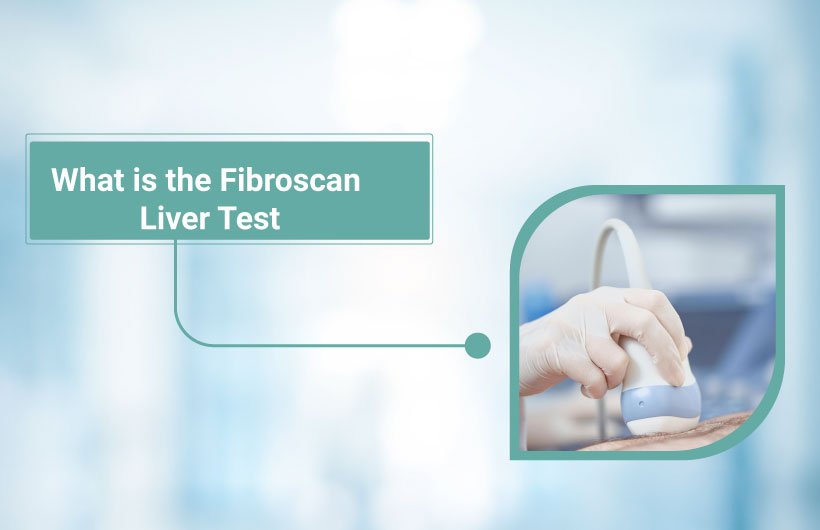
A Fibroscan liver test is a non-invasive liver test used to evaluate liver health without needles, cuts, or hospital admission. It measures two critical parameters:
-
Liver stiffness – to assess fibrosis (scarring)
-
Fat accumulation in the liver – to detect fatty liver
Unlike a traditional liver biopsy, Fibroscan is quick, safe, and painless, providing reliable results within minutes.
What is a Fibrosis Test?
A fibrosis test checks the amount of scarring present in the liver. Fibrosis develops when the liver is repeatedly injured due to conditions such as:
-
Chronic hepatitis B or C
-
Long-standing metabolic disorders
If left untreated, fibrosis may progress to:
-
Cirrhosis
-
Liver failure
-
Liver cancer
The fibrosis of liver test using Fibroscan helps identify damage at an early, reversible stage.
How Does the Fibroscan Liver Test Work?
Fibroscan works using ultrasound-based vibration technology. The device sends gentle vibration waves through the liver and measures how fast they travel.
-
Healthy liver: Soft tissue, slower wave movement
-
Damaged liver: Stiffer tissue, faster wave movement
The stiffer the liver, the higher the degree of fibrosis.
The test also measures fat content using CAP (Controlled Attenuation Parameter), which helps grade fatty liver severity.
Is Fibroscan a Fatty Liver Test?
Yes. Fibroscan fatty liver assessment is one of its most valuable uses. It can detect:
-
Mild fatty liver
-
Moderate fatty liver
-
Severe fatty liver
Even people with normal liver enzyme levels may have fatty liver. Fibroscan can identify fat accumulation early, often before symptoms appear.
What are the Main Fibroscan Uses?
The Fibroscan uses extend across multiple liver conditions, including:
-
Fatty liver disease (NAFLD / MAFLD)
-
Alcohol-related liver disease
-
Hepatitis B and Hepatitis C
-
Liver fibrosis
-
Liver cirrhosis
-
Monitoring response to treatment
Because it is safe and repeatable, Fibroscan is widely preferred as an alternative to liver biopsy.
Who Should Get a Fibroscan Liver Test?
A Fibroscan liver test may be advised if you have:
-
Fatty liver detected on ultrasound
-
Diabetes or obesity
-
High cholesterol or triglycerides
-
Long-term alcohol use
-
Chronic hepatitis B or C
-
Persistently elevated liver enzymes
-
Family history of liver disease
According to Liver Specialist Dr Varun Bajaj, Fibroscan is especially useful for high-risk patients who may not yet have symptoms, allowing early intervention and liver protection.
Is Fibroscan Painful or Risky?
No. The Fibroscan liver test is:
-
Completely painless
-
Non-invasive
-
Radiation-free
-
Safe for repeated use
There is no risk of bleeding, infection, or anaesthesia-related complications.
How Long Does a Fibroscan Test Take?
The procedure usually takes 10–15 minutes, and patients can return to normal daily activities immediately after the test.
How to Prepare for a Fibroscan Liver Test
Preparation is simple:
-
Avoid eating or drinking for 3–4 hours before the test
-
Wear comfortable clothing
-
Avoid alcohol for at least 24 hours (if advised by your doctor)
Additional instructions may be given based on your medical condition.
What Do Fibroscan Results Mean?
Fibroscan provides numerical values for both fibrosis and fat content.
Fibrosis Score (Liver Stiffness)
-
Low value: Healthy liver or mild fibrosis
-
High value: Advanced fibrosis or cirrhosis
Fat Score (CAP Value)
-
Low CAP: No or mild fatty liver
-
High CAP: Moderate to severe fatty liver
Your doctor will interpret these results in combination with blood tests and clinical findings to decide the next steps.
Can Fibroscan Replace Liver Biopsy?
In most cases, yes. Fibroscan is preferred because it offers:
-
No pain
-
No hospital stay
-
Immediate results
-
Lower risk
However, in rare or complex cases, a liver biopsy may still be required for confirmation.
Is Fibroscan Accurate?
Yes. Fibroscan is considered highly reliable for:
-
Detecting liver fibrosis
-
Assessing fatty liver severity
-
Monitoring disease progression
-
Tracking treatment response
Accuracy improves further when combined with blood tests and expert clinical evaluation.
Can Fibroscan Detect Early Liver Disease?
Absolutely. One of the biggest advantages of the fibrosis of liver test using Fibroscan is early detection. Many liver diseases progress without symptoms, and Fibroscan helps identify damage before it becomes irreversible.
What Happens After the Fibroscan Test?
After the test:
-
Your doctor reviews the results
-
Lifestyle changes may be recommended
-
Medications may be started if required
-
Follow-up Fibroscan may be scheduled
Lifestyle measures such as diet control, weight management, and alcohol avoidance play a crucial role in liver recovery.
Conclusion
The Fibroscan liver test is a simple, painless, and highly effective method for assessing liver health. Whether used as a fibrosis test, fibroscan fatty liver assessment, or for monitoring chronic liver disease, it plays a vital role in early diagnosis and prevention of serious complications.
If you have risk factors such as fatty liver, diabetes, alcohol use, or abnormal liver tests, timely evaluation is essential. Consult Dr Varun Bajaj, an experienced Gastrointestinal surgeon, for accurate Fibroscan assessment, clear interpretation of results, and personalised guidance to protect your liver and improve long-term health outcomes.
FAQs
Is Fibroscan safe for elderly patients?
Yes. It is safe for all age groups.
Can pregnant women undergo Fibroscan?
It is usually avoided unless clearly required; always consult your doctor.
Is Fibroscan better than ultrasound?
Yes, Fibroscan provides more detailed information about liver stiffness and fat.
Do normal liver tests mean a healthy liver?
Not always. Fibroscan can detect liver damage even when blood tests are normal.