Medically reviewed by Dr. Varun Bajaj, a piles specialist experienced in treating anal fissures and fistulas.
Many people experience pain, bleeding, or discomfort around the anal area but often feel confused about whether the condition is a fissure or a fistula. Although both affect the same region, they are very different in terms of causes, symptoms, and treatment.
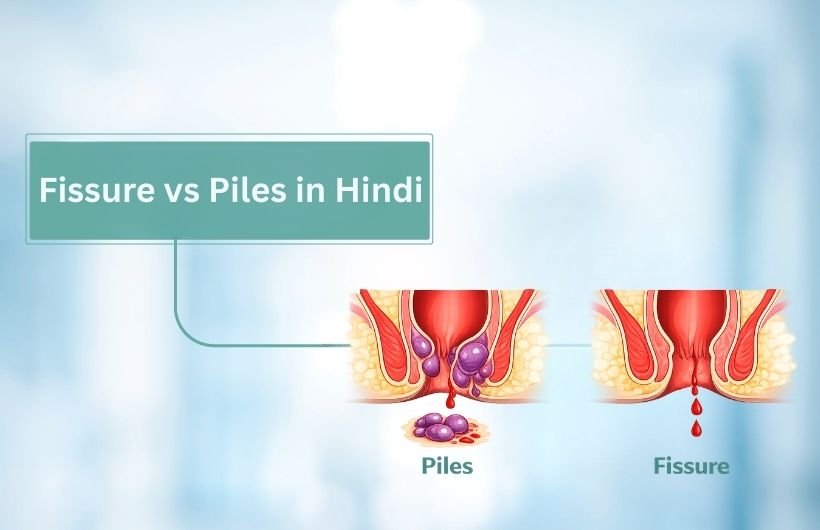
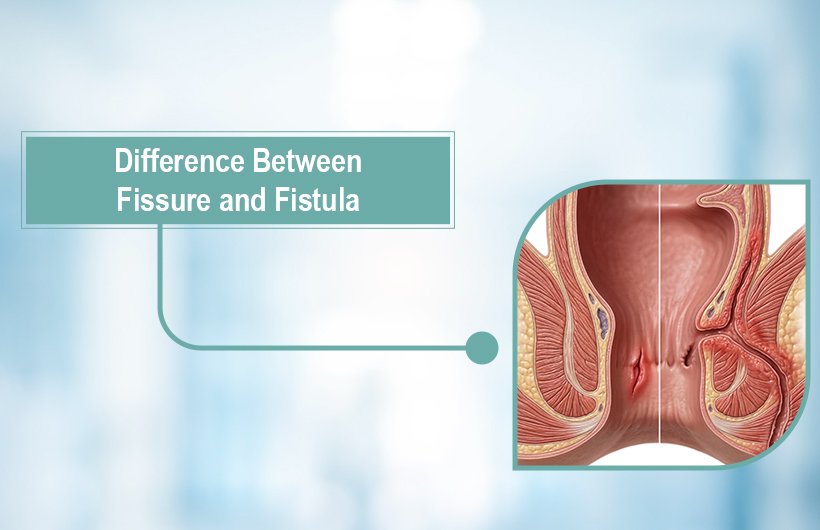
The difference between fissure and fistula mainly lies in how the condition develops. A fissure is a small tear in the lining of the anus, while a fistula is an abnormal tunnel that forms between the anal canal and the skin around the anus, usually due to infection.
Understanding the difference between fissure and fistula is important because the treatment for each condition is different. Early diagnosis by an experienced piles specialist in Ahmedabad, such as Dr. Varun Bajaj can help prevent complications and provide long-term relief.
What is the Difference Between Fissure and Fistula?
The difference between fissure and fistula is that a fissure is a small tear in the lining of the anus usually caused by constipation or passing hard stools, while a fistula is an abnormal tunnel that forms between the anal canal and the skin around the anus due to infection. Fissures typically cause sharp pain and bleeding, whereas fistulas often cause swelling, pus discharge, and persistent pain.
In simple terms, a fissure is a tear, while a fistula is an infected tunnel caused by infection.
What is an Anal Fissure?
An anal fissure is a small tear in the thin lining of the anal canal. It commonly occurs due to constipation or passing hard stools.
This tear exposes the sensitive muscles of the anus, which leads to severe pain during bowel movements.
Common Causes of Anal Fissure
Some common causes include:
-
Passing hard or large stools
-
Chronic constipation
-
Straining during bowel movements
-
Prolonged diarrhea
-
Childbirth in some cases
Symptoms of Anal Fissure
The symptoms of an anal fissure may include:
-
Sharp pain during bowel movements
-
Pain that continues for several hours after passing stool
-
Burning or itching around the anus
-
A visible crack near the anal opening
In many cases, fissures are superficial wounds that can heal with lifestyle changes, medications, and proper bowel habits. However, chronic fissures that do not heal may require medical treatment or minor surgery.
What is an Anal Fistula?
An anal fistula is a more complex condition compared to a fissure. It is an abnormal tunnel that forms between the inside of the anal canal and the skin around the anus.
Fistulas usually develop when an infection occurs in the anal glands. This infection may form an abscess, which is a collection of pus. When the abscess drains, it can leave behind a small tunnel known as a fistula.
Common Causes of Anal Fistula
Anal fistulas may develop due to:
-
Infection in the anal glands
-
Untreated anal abscess
-
Crohn’s disease
-
Chronic inflammation in the anal area
-
A weakened immune system
Symptoms of Anal Fistula
Symptoms of an anal fistula may include:
-
Persistent pain around the anus
-
Swelling or redness near the anal area
-
Pus or fluid discharge from a small opening
-
Skin irritation or itching
-
Recurring abscess near the anus
Unlike fissures, fistulas rarely heal on their own and usually require surgical treatment.
Fissure vs Fistula: Key Differences
Understanding fissure vs fistula is important for proper diagnosis and treatment.
| Feature | Anal Fissure | Anal Fistula |
|---|---|---|
| Nature | Tear in anal lining | Tunnel between anus and skin |
| Main Cause | Constipation or hard stool | Infection or abscess |
| Pain | Sharp pain during bowel movements | Constant throbbing pain |
| Bleeding | Bright red blood during stool | Rare bleeding |
| Discharge | Usually none | Pus or fluid discharge |
| Treatment | Medicines, lifestyle changes, minor surgery | Usually surgical treatment |
Although fissures and fistulas occur in the same area, they are very different medical conditions.
Because symptoms may overlap, it is important not to self-diagnose and seek professional medical advice.
Can a Fissure Turn Into a Fistula?
Many patients wonder whether a fissure can develop into a fistula.
In most cases, a fissure does not directly turn into a fistula. However, if the fissure becomes infected and forms an abscess, the infection may eventually lead to a fistula.
This is why early treatment of fissures is important. Ignoring symptoms such as severe pain, bleeding, or swelling can increase the risk of complications.
Treatment Options for Fissure vs Fistula
The treatment approach for fissures and fistulas differs because their causes are different.
Treatment for Anal Fissure
Most fissures can be treated without surgery if detected early.
Common treatments include:
-
Increasing fibre intake
-
Stool softeners
-
Warm sitz baths
-
Medicated creams or ointments
-
Minor surgical procedures for chronic fissures
These treatments help relax the anal muscles and allow the tear to heal naturally.
Treatment for Anal Fistula
Fistulas usually require medical procedures because the infected tunnel cannot heal by itself.
Common treatment options include:
-
Drainage of an abscess
-
Fistulotomy surgery
-
Laser fistula treatment
-
Seton placement for complex fistulas
A gastrointestinal specialist in Ahmedabad, such as Dr Varun Bajaj, can recommend the most appropriate treatment depending on the severity of the condition.
When Should You See a Doctor?
Many people hesitate to discuss anal health issues due to embarrassment, but early diagnosis can make treatment easier and more effective.
You should consult a doctor if you experience:
-
Severe pain during bowel movements
-
Bleeding from the anus
-
Pus discharge or swelling near the anal area
-
Persistent itching or irritation
-
Recurring abscess or infection
If you notice these symptoms, consulting an experienced specialist such as Dr. Varun Bajaj can help you receive an accurate diagnosis and appropriate treatment.
Conclusion
Understanding the difference between fissure and fistula is important because both conditions require different treatments.
A fissure is a small tear in the anal lining that is usually caused by constipation or passing hard stools. It often heals with medications and lifestyle changes. In contrast, a fistula is an infected tunnel between the anal canal and the skin, which usually requires surgical treatment.
Although the symptoms of fissure vs fistula may appear similar, proper medical diagnosis is essential. Seeking timely medical advice can help prevent complications and provide long-term relief.
If you are experiencing symptoms such as pain, bleeding, or discharge in the anal area, consulting an experienced doctor such as Dr. Varun Bajaj can help you get the right diagnosis and treatment.
FAQs
What is the main difference between fissure and fistula?
A fissure is a small tear in the anal lining usually caused by constipation, while a fistula is an infected tunnel between the anal canal and the skin caused by infection.
Which is more painful fissure or fistula?
Fissures usually cause sharp pain during bowel movements, while fistulas often cause persistent pain, swelling, and discharge.
Can fissure heal without surgery?
Many fissures heal with medications, fibre intake, and proper bowel habits, although chronic fissures may require minor surgery.
Does fistula always require surgery?
In most cases, anal fistulas require surgical treatment because the infected tunnel does not heal on its own.