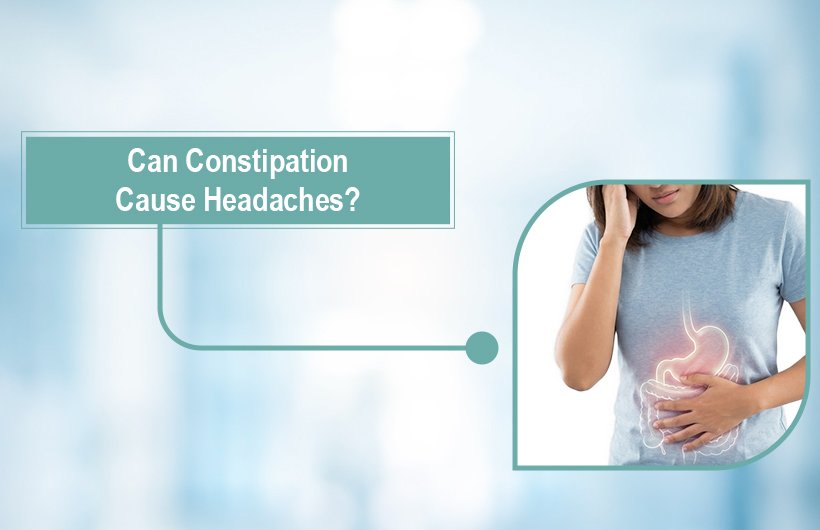
Yes, constipation can sometimes cause headaches, although the relationship is usually indirect. Factors such as dehydration, straining during bowel movements, digestive discomfort, and disturbances in the gut-brain connection can contribute to both constipation and headaches. In some cases, people may also experience dizziness along with constipation and headaches.
Constipation and headaches are two common health problems that may occur together. Many individuals notice that when they are constipated, they experience symptoms like head pain, heaviness, or fatigue. Although constipation does not always directly cause headaches, several underlying factors can link these conditions.
What is the Connection Between Constipation and Headaches?
Constipation occurs when bowel movements become infrequent or difficult to pass. In general, constipation is defined as having fewer than three bowel movements per week or passing hard, dry stools.
When the digestive system is not functioning properly, it can affect the body in multiple ways. The discomfort, abdominal pressure, and straining associated with constipation may sometimes trigger headaches.
Several factors explain the connection between constipation and headache symptoms.
1. Dehydration
Dehydration is one of the most common causes of both constipation and headaches. When the body does not receive enough fluids, stools can become hard and difficult to pass.
At the same time, dehydration can reduce the body’s fluid balance and affect brain function, which may lead to headaches or fatigue.
2. Straining During Bowel Movements
People with constipation often strain while trying to pass stool. This straining increases pressure in the abdomen and temporarily affects blood flow and nerve signals.
These changes may trigger headaches in some individuals.
3. Gut-Brain Connection
The digestive system and the brain are closely connected through the gut–brain axis. This communication network links the digestive tract with the nervous system.
When digestion slows down or constipation occurs, it may influence nerve signals and inflammation in the body. These changes can increase sensitivity to headaches.
4. Stress and Physical Discomfort
Constipation can cause symptoms such as bloating, abdominal pain, and discomfort. This physical stress can lead to tension headaches, which are among the most common types of headaches.
According to digestive health specialists, maintaining healthy digestion is important for overall well-being because gut issues can sometimes affect other systems in the body.
Can Constipation Cause Headaches and Dizziness?
Many people also wonder: can constipation cause headaches and dizziness at the same time?
In some cases, the answer is yes. Constipation may contribute to dizziness and headaches due to factors such as dehydration, poor nutrition, or changes in blood circulation.
Several conditions can explain this connection.
Dehydration and Electrolyte Imbalance
When the body lacks sufficient water, it can lead to constipation and disturb the balance of important minerals such as sodium and potassium.
These minerals play a key role in nerve and muscle function. An imbalance can cause symptoms such as dizziness, fatigue, and headaches.
Low Energy or Poor Nutrition
Digestive discomfort may reduce appetite, which can result in lower food intake. This may lead to low blood sugar levels and cause symptoms like dizziness, weakness, and headaches.
Temporary Changes in Blood Pressure
Straining during bowel movements can temporarily affect blood circulation. This may cause lightheadedness or dizziness in some individuals.
Although constipation causing headaches and dizziness is not extremely common, it can occur when multiple factors such as dehydration, stress, or poor diet are involved.
Symptoms That May Occur With Constipation and Headaches
People experiencing constipation may notice other symptoms along with headaches, including:
-
Bloating or abdominal discomfort
-
Hard or dry stools
-
Difficulty passing stool
-
Fatigue or weakness
-
Dizziness or lightheadedness
-
Feeling of heaviness in the head
If these symptoms appear frequently, it may indicate an underlying digestive issue that needs medical attention.
How to Prevent Constipation and Headaches
The good news is that several lifestyle changes can help reduce both constipation and headaches. Improving digestion and hydration often prevents these symptoms from occurring together.
Here are some effective steps.
1. Drink Enough Water
Water helps soften stools and supports smooth digestion. Proper hydration also supports brain function and reduces the risk of headaches.
2. Increase Fibre Intake
Fibre plays an essential role in maintaining regular bowel movements. Foods rich in fibre include:
-
Apples, papaya, and pears
-
Green leafy vegetables
-
Whole grains and oats
-
Lentils and beans
A fibre-rich diet for constipation can help improve digestion and significantly reduce symptoms by promoting regular bowel movements.
3. Exercise Regularly
Physical activity stimulates intestinal movement and helps maintain healthy digestion. Even 20–30 minutes of walking daily can improve bowel function.
4. Reduce Processed Foods
Highly processed foods, refined flour, and low-fibre diets can worsen constipation and may also trigger headaches.
5. Manage Stress
Stress affects both the digestive system and the nervous system. Practising relaxation techniques such as yoga, meditation, or deep breathing can help maintain overall health.
6. Maintain a Regular Bathroom Routine
Ignoring the urge to pass stool can worsen constipation. Maintaining a regular routine can support healthy bowel habits.
When Should You See a Doctor?
Occasional constipation and headaches are common and usually not serious. However, medical advice is recommended if the symptoms occur frequently or become severe.
You should consult a doctor if you experience:
-
Constipation lasting longer than two weeks
-
Severe or persistent headaches
-
Unexplained weight loss
-
Vomiting or severe abdominal pain
-
Frequent dizziness along with headaches
These symptoms may indicate an underlying digestive or neurological condition that requires proper evaluation.
Conclusion
So, can constipation cause headaches? In many cases, the answer is yes, but usually indirectly. Factors such as dehydration, straining, digestive discomfort, and the gut–brain connection can contribute to both constipation and headaches.
Some individuals may also experience constipation, headache, and dizziness together, particularly when hydration and nutrition are inadequate.
Maintaining a healthy diet, drinking enough water, exercising regularly, and managing stress can help prevent both conditions. However, if symptoms persist or worsen, it is important to seek medical advice to identify the underlying cause.
Frequently Asked Questions
Can constipation cause headaches?
Yes, constipation can sometimes contribute to headaches. This may happen due to dehydration, straining during bowel movements, digestive discomfort, or disturbances in the gut–brain connection.
Can constipation cause headaches and dizziness?
In some cases, constipation may be associated with headaches and dizziness. Dehydration, electrolyte imbalance, and reduced food intake are common causes of these symptoms.
Why do headaches happen during constipation?
Headaches during constipation may occur because of dehydration, abdominal pressure from straining, stress, or changes in nerve signals between the gut and brain.